Free to start · Not medical advice

Health Library
Digestive (IBD)Condition guide

Ulcerative Colitis

Ulcerative colitis is a form of inflammatory bowel disease affecting the colon. Tracking symptoms over time can help you and your clinician review patterns.

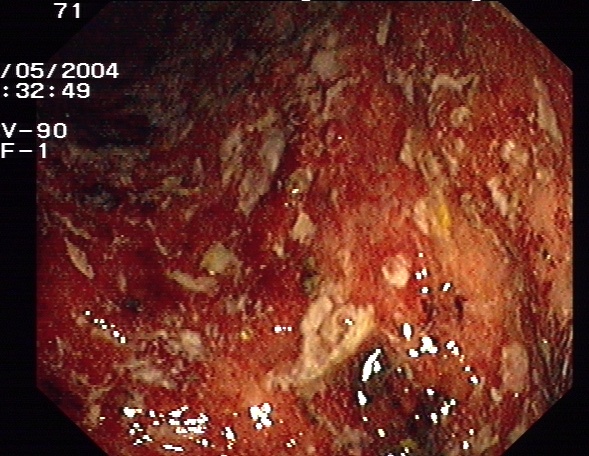
Ulcerative Colitis — educational image

Image: Joachim Guntau · CC BY-SA 2.0 DE · Source

Clinically reviewed

This source-backed guide has completed independent clinical review.

Common signs and symptoms

Ulcerative colitis affects the inner lining of the colon and rectum.

  • Diarrhea, often with visible blood.
  • Urgent or frequent bowel movements, including waking at night.
  • A persistent need to pass stool even when the bowel is empty.
  • Abdominal cramping, mucus, fatigue, fever, reduced appetite, weight loss, or anemia.
  • Joint, skin, eye, or liver and bile-duct problems may occur outside the bowel.

Sources [1]

What may contribute

Genes, immune reactions, the microbiome, and environmental factors appear to interact.

  • The exact cause is unknown.
  • A close relative with inflammatory bowel disease increases risk.
  • The condition can develop at any age but often begins in younger adults.
  • Specific foods and stress are not established causes, although symptoms may vary during a flare.

Sources [1]

How it is evaluated

Evaluation confirms inflammation, excludes infection, and defines severity and extent.

  • A clinician reviews bowel symptoms, bleeding, medicines, family history, hydration, and overall health.
  • Blood tests may look for anemia, inflammation, infection, dehydration, and nutrition problems.
  • Stool testing can exclude infection and measure intestinal inflammation.
  • Colonoscopy or flexible sigmoidoscopy with biopsies confirms the diagnosis.
  • Follow-up may use symptoms, blood and stool markers, endoscopy, and cancer surveillance.

Sources [1], [2]

Treatment and ongoing care

The goal is sustained steroid-free control of symptoms and inflammation.

  • Topical or oral aminosalicylates are commonly used for selected mild-to-moderate disease.
  • Corticosteroids may induce remission but are time-limited and not maintenance treatment.
  • Immune-modifying, biologic, or targeted medicines may be used for moderate-to-severe disease.
  • Acute severe colitis requires hospital care, infection testing, close monitoring, and early specialist involvement.
  • Surgery may be recommended for life-threatening complications, cancer risk, or disease not controlled safely with medicine.

Sources [1], [2]

Day-to-day support

Maintenance treatment and monitoring continue during remission.

  • Continue maintenance medicines unless the treating clinician recommends a change.
  • Track stool frequency, blood, urgency, night symptoms, pain, temperature, weight, and hydration.
  • Choose a balanced diet and adequate fluids, using dietitian support rather than broad restriction.
  • Attend medicine-safety, vaccination, bone-health, and colonoscopy reviews.
  • Seek support for fatigue, bathroom access, work, anxiety, or surgery questions.

Sources [1], [2]

When to seek urgent help

Acute severe colitis and toxic megacolon require same-day hospital assessment.

  • Seek emergency care for heavy bleeding, severe increasing abdominal pain or swelling, fainting, confusion, or severe dehydration.
  • Very frequent bloody diarrhea with fever, fast heartbeat, weakness, or worsening pain needs same-day assessment.
  • Repeated vomiting or inability to maintain fluids needs urgent care.
  • Contact the IBD team promptly for a rapidly worsening flare.

Sources [1], [2]

Research basis

Sources and review status

Sources were checked on October 5, 2026. This guide is version 2026.10. This source-backed guide has completed independent clinical review.

  1. [1]
    Ulcerative Colitis

    NIH National Institute of Diabetes and Digestive and Kidney Diseases (2020)

  2. [2]
    ACG Clinical Guideline Update: Ulcerative Colitis in Adults

    The American Journal of Gastroenterology (2025) · DOI 10.14309/ajg.0000000000003463 · PMID 40701556

Commonly involved specialists

These are the types of clinicians who are frequently involved in evaluating or supporting this condition.

GastroenterologistPrimary care clinicianDietitian

Factors to discuss with a qualified professional

Bringing organized notes on these topics can help make your appointment more focused.

  • Symptom patterns and frequency
  • Diet and hydration
  • Fatigue levels
  • Prior evaluations

Things you might track over time

A symptom journal can help you and your clinician review patterns together.

Flare frequency
Diet notes
Hydration
Fatigue

This information is educational and does not provide a diagnosis or treatment plan. Discuss your individual situation with a qualified healthcare professional.

Find specialists near you

Search our directory of US doctors for the specialists commonly involved in ulcerative colitis care, then add your state or city.

Open Find Care