Free to start · Not medical advice

Health Library
MusculoskeletalCondition guide

Tendinitis

Tendons are flexible bands of tissue that connect muscles to bones. Tendinitis is inflammation of a tendon, usually from repeating the same motion, and often affects the shoulder, elbow, wrist, hip, knee, or ankle. Common forms include tennis elbow, golfer's elbow, and rotator cuff tendinitis in the shoulder.

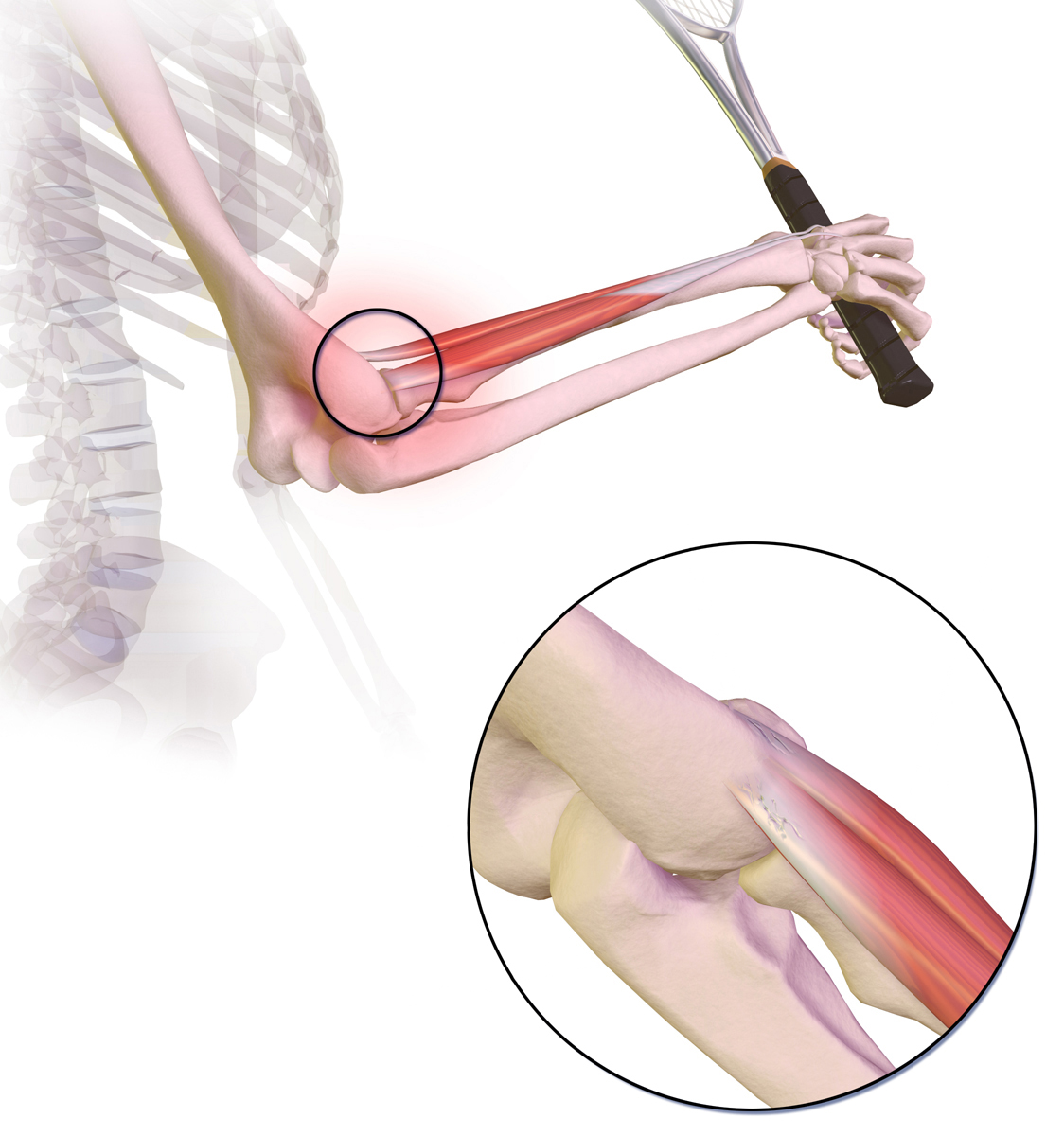
Tendinitis — educational image

Image: BruceBlaus · CC BY-SA 4.0 · Source

Clinically reviewed

This source-backed guide has completed independent clinical review.

Common signs and symptoms

Tendinitis causes pain and soreness around a joint.

  • Pain and soreness near the affected joint, often worse with use.
  • In the shoulder, pain at the top of the arm, especially when lying on that side, lifting the arm, or reaching behind the back.
  • Arm weakness or clicking can point to a rotator cuff tear rather than tendinitis alone.

Sources [1], [2]

What may contribute

Tendinitis usually results from repeated motion.

  • Repeating the same motion, as in carpentry, gardening, playing music, golf, or tennis.
  • A sudden injury can also cause it.
  • Tendons become less flexible with age, and most rotator cuff problems come from wear over time.
  • Fluoroquinolone antibiotics have been linked to tendinitis and tendon rupture.

Sources [3], [2]

How it is evaluated

Diagnosis is based on your history and an exam, with imaging when needed.

  • A medical history and physical exam, including checks of range of motion, pain, and strength.
  • Imaging tests such as X-rays, ultrasound, or MRI when needed.

Sources [1], [2]

Treatment and ongoing care

The first step is to reduce pain and swelling.

  • Rest, wrapping or elevating the area, and medicines to ease pain and swelling.
  • Ice is helpful for recent, severe injuries.
  • Physical therapy exercises restore strength and movement, and ultrasound therapy may be used.
  • Steroid injections, or surgery when symptoms last 6 to 12 months, if other treatments do not help.

Sources [1], [2]

Day-to-day support

Changing how you load the tendon helps it recover.

  • Stop activities that cause pain rather than working through it.
  • Use correct technique and proper equipment, and increase intensity gradually.
  • Take breaks and vary repetitive tasks at work and home.

Sources [3], [2]

When to seek prompt help

Some injuries need prompt evaluation.

  • See a provider soon if your arm feels weak right after a sudden shoulder injury.
  • Get care for severe pain, swelling, or bruising, or if you cannot use the joint.
  • If you develop tendon pain while taking a fluoroquinolone antibiotic, contact your prescriber promptly.

Sources [2], [3]

Research basis

Sources and review status

Sources were checked on October 16, 2026. This guide is version 2026.10. This source-backed guide has completed independent clinical review.

  1. [1]
    Tendinitis

    MedlinePlus, U.S. National Library of Medicine

  2. [2]
    Rotator Cuff Injuries

    MedlinePlus, U.S. National Library of Medicine

  3. [3]
    Sports Injuries

    NIH National Institute of Arthritis and Musculoskeletal and Skin Diseases

Commonly involved specialists

These are the types of clinicians who are frequently involved in evaluating or supporting this condition.

Primary care clinicianSports medicine specialistOrthopaedic surgeonPhysical therapist

Factors to discuss with a qualified professional

Bringing organized notes on these topics can help make your appointment more focused.

  • Which movements or tasks bring on the pain
  • Any recent change in activity level, sport, or job tasks
  • Whether the arm or joint feels weak
  • Any recent antibiotic use

Things you might track over time

A symptom journal can help you and your clinician review patterns together.

Pain with activity
Range of motion
Weakness
Response to rest

This information is educational and does not provide a diagnosis or treatment plan. Discuss your individual situation with a qualified healthcare professional.

Find specialists near you

Search our directory of US doctors for the specialists commonly involved in tendinitis care, then add your state or city.

Open Find Care