Free to start · Not medical advice

Health Library
AutoimmuneCondition guide

Systemic Sclerosis (Scleroderma)

Scleroderma causes inflammation and a build-up of too much collagen, leading to areas of tight, hard skin. Systemic sclerosis is the form that can also affect blood vessels and organs such as the lungs, heart, kidneys, and digestive tract. Early diagnosis and regular monitoring help care teams find and treat organ involvement.

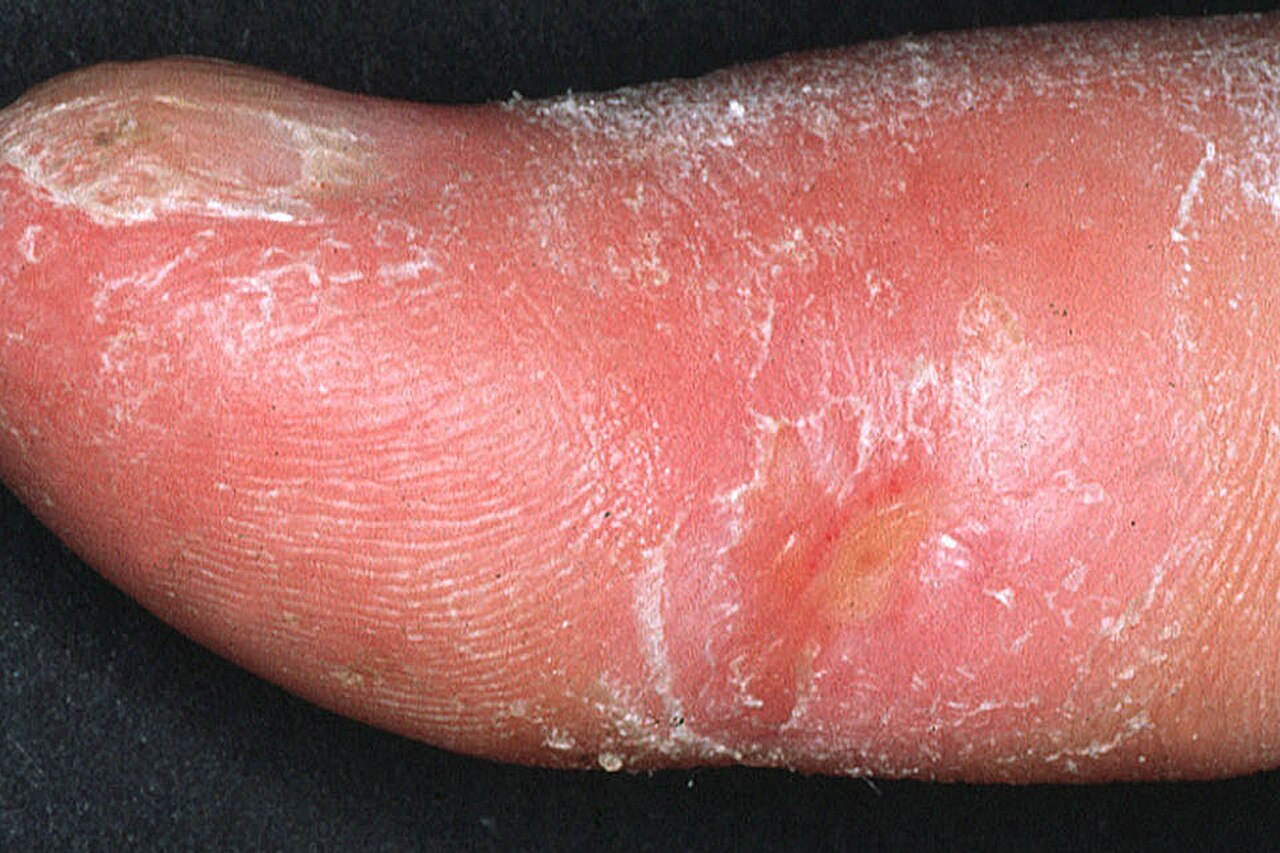
Systemic Sclerosis (Scleroderma) — educational image

Image: Frank Breuckmann, Thilo Gambichler, Peter Altmeyer and Alexander Kreuter · CC BY 2.0 · Source

Clinically reviewed

This source-backed guide has completed independent clinical review.

Common signs and symptoms

Symptoms differ by type and by which tissues and organs are involved.

  • Thick, tight skin, often starting on the fingers and hands.
  • Raynaud's phenomenon: fingers or toes that turn white, blue, or red and feel numb or painful with cold or stress.
  • Fatigue, joint pain and stiffness, heartburn, or trouble swallowing.
  • Shortness of breath or a dry cough, as most people with systemic sclerosis have some loss of lung function.

Sources [1]

What may contribute

The cause is unknown; the immune system appears to injure blood vessel linings and trigger too much collagen production.

  • Genes can raise risk, although the disease is not passed directly from parent to child.
  • Some environmental exposures, such as certain chemicals, may act as triggers.
  • It is more common in women and usually appears between ages 30 and 50.
  • It is more common in African Americans, who are also more likely to have more skin and lung involvement.

Sources [1]

How it is evaluated

No single test diagnoses scleroderma, so clinicians combine several kinds of information.

  • A medical history, a review of current and past symptoms, and a physical exam.
  • Blood tests for antibodies, such as an antinuclear antibody (ANA) test; antibodies alone do not confirm the diagnosis.
  • A skin biopsy may be performed.
  • Lung function tests, CT scans, and echocardiograms look for lung and heart involvement.

Sources [1]

Treatment and ongoing care

Treatment depends on the type, the symptoms, and the organs affected, and aims to control symptoms and limit damage.

  • Immune-suppressing medicines may help control some aspects of the disease, including lung fibrosis.
  • Vasodilator medicines widen blood vessels and can treat Raynaud's phenomenon and pulmonary hypertension.
  • Anti-inflammatory medicines, topical creams for skin tightness and itching, and heartburn medicines may also be used.
  • Physical and occupational therapy help with pain, strength, mobility, and everyday tasks.

Sources [1], [2]

Day-to-day support

Practical steps can help protect your skin, circulation, and teeth.

  • Keep warm with layers, gloves, and socks, and avoid cold or wet places that trigger Raynaud's.
  • If you smoke, quitting helps, because nicotine narrows blood vessels and can harm the lungs.
  • Moisturize your skin, use sunscreen, and avoid hot baths, harsh soaps, and household chemicals.
  • Exercise regularly, see a dentist for regular check-ups, and get recommended flu and pneumonia vaccines.

Sources [1]

When to seek prompt help

Some complications can develop quickly and need prompt attention.

  • Check your blood pressure regularly and call your doctor right away if it is higher than usual, as a sudden rise can signal kidney crisis.
  • Report new headaches, shortness of breath, dry cough, or swollen feet promptly.
  • Contact your dentist promptly about mouth sores, mouth pain, or loose teeth.
  • Call 911 for chest pain, severe trouble breathing, or signs of a stroke.

Sources [1]

Research basis

Sources and review status

Sources were checked on October 16, 2026. This guide is version 2026.10. This source-backed guide has completed independent clinical review.

  1. [1]
    Scleroderma

    NIH National Institute of Arthritis and Musculoskeletal and Skin Diseases (2023)

  2. [2]
    EULAR recommendations for the treatment of systemic sclerosis: 2023 update

    Annals of the Rheumatic Diseases (2025) · DOI 10.1136/ard-2024-226430 · PMID 39874231

Commonly involved specialists

These are the types of clinicians who are frequently involved in evaluating or supporting this condition.

RheumatologistDermatologistPulmonologistPhysical therapist

Factors to discuss with a qualified professional

Bringing organized notes on these topics can help make your appointment more focused.

  • Where skin tightening started and whether it is spreading
  • Color changes in fingers or toes with cold or stress
  • Breathing, swallowing, or heartburn symptoms
  • Recent blood pressure readings

Things you might track over time

A symptom journal can help you and your clinician review patterns together.

Raynaud episodes
Skin tightness
Shortness of breath
Blood pressure

This information is educational and does not provide a diagnosis or treatment plan. Discuss your individual situation with a qualified healthcare professional.

Find specialists near you

Search our directory of US doctors for the specialists commonly involved in systemic sclerosis (scleroderma) care, then add your state or city.

Open Find Care