Free to start · Not medical advice

Health Library
MusculoskeletalCondition guide

Spinal Stenosis and Sciatica

Spinal stenosis happens when spaces in the spine narrow and put pressure on the spinal cord or nerve roots, most often in the lower back and neck. Sciatica is pain, numbness, or tingling along the sciatic nerve, from the lower back down one leg, and spinal stenosis is one of its causes. Many people improve with nonsurgical care.

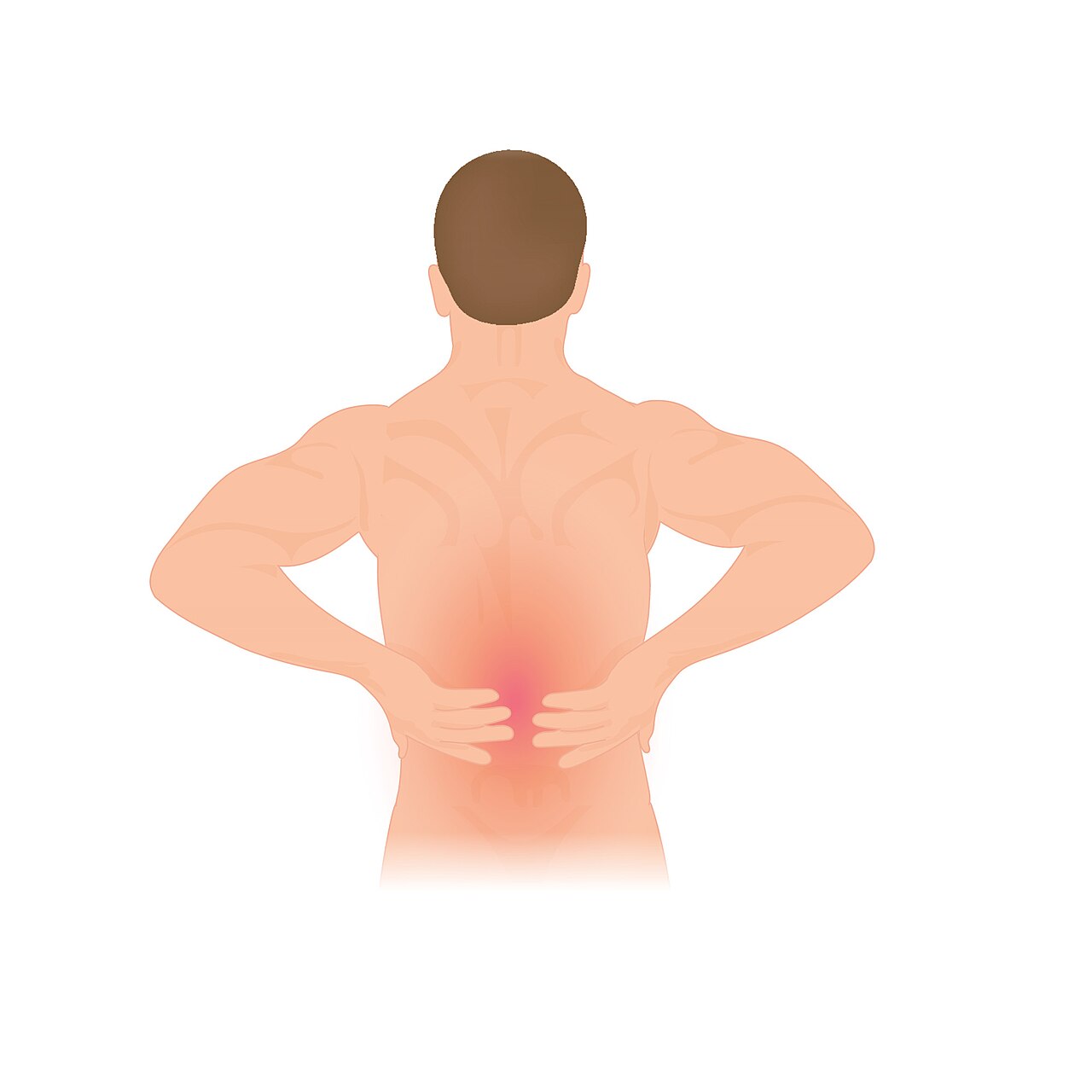
Spinal Stenosis and Sciatica — educational image

Image: Injurymap · CC BY 4.0 · Source

Clinically reviewed

This source-backed guide has completed independent clinical review.

Common signs and symptoms

Symptoms usually develop slowly and depend on where the narrowing is.

  • Lower back pain, or burning pain into the buttocks and legs that worsens with standing or walking and eases when leaning forward.
  • Numbness, tingling, cramping, or weakness in the legs and feet.
  • In the neck: pain with numbness, tingling, or weakness in the arms, hands, or fingers.
  • Sciatica usually affects one side, from the lower back down to the calf, foot, or toes.

Sources [1], [2]

What may contribute

Age-related changes in the spine are the most common cause.

  • Thickened ligaments, bone spurs, and bulging or herniated disks.
  • Osteoarthritis and, less often, rheumatoid arthritis.
  • Spondylolisthesis, a spine injury, or being born with a narrow spinal canal.
  • Sciatica can also come from a ruptured disk or pelvic injury, and often no cause is found.

Sources [1], [2]

How it is evaluated

Doctors combine your history, an exam, and imaging.

  • Questions about where the pain is, what it feels like, and when it began.
  • An exam of movement, reflexes, strength, sensation, balance, and walking.
  • X-rays, MRI, or CT can show narrowing, disk changes, or other causes.
  • Imaging alone does not decide whether treatment is needed.

Sources [1], [3]

Treatment and ongoing care

Most care starts without surgery.

  • Physical therapy to strengthen the abdominal and back muscles, plus gradual aerobic activity such as swimming or cycling.
  • Anti-inflammatory or pain medicines, and sometimes injections for pain that travels down a limb.
  • A brace may help some people.
  • Surgery such as laminectomy or spinal fusion may be considered if symptoms persist or nerve function is affected.

Sources [1], [3]

Day-to-day support

Staying active within comfort supports recovery.

  • Keep moving and follow a home exercise program from your physical therapist.
  • Sitting or bending forward may ease symptoms that worsen with standing or walking.
  • Track how far you can walk and any change in numbness or weakness to share at visits.

Sources [1], [3]

When to seek urgent help

Some nerve symptoms need urgent evaluation.

  • Seek emergency care for new problems controlling your bladder or bowels.
  • Get prompt care for numbness or weakness that interferes with walking.
  • Seek care for back pain after a significant fall or injury.

Sources [1], [3]

Research basis

Sources and review status

Sources were checked on October 16, 2026. This guide is version 2026.10. This source-backed guide has completed independent clinical review.

  1. [1]
    Spinal Stenosis

    NIH National Institute of Arthritis and Musculoskeletal and Skin Diseases

  2. [2]
    Sciatica

    MedlinePlus, U.S. National Library of Medicine

  3. [3]
    Low back pain and sciatica in over 16s: assessment and management

    National Institute for Health and Care Excellence, NG59 (2016)

Commonly involved specialists

These are the types of clinicians who are frequently involved in evaluating or supporting this condition.

Primary care clinicianPhysical therapistSpine or orthopaedic surgeonPain specialist

Factors to discuss with a qualified professional

Bringing organized notes on these topics can help make your appointment more focused.

  • Where the pain travels and what it feels like
  • Whether standing or walking makes it worse and leaning forward helps
  • How far you can walk before symptoms start
  • Any numbness, weakness, or bladder or bowel changes

Things you might track over time

A symptom journal can help you and your clinician review patterns together.

Walking distance
Leg pain or numbness
Back pain level
Exercise sessions

This information is educational and does not provide a diagnosis or treatment plan. Discuss your individual situation with a qualified healthcare professional.

Find specialists near you

Search our directory of US doctors for the specialists commonly involved in spinal stenosis and sciatica care, then add your state or city.

Open Find Care