Free to start · Not medical advice

Health Library
AutoimmuneCondition guide

Sjögren's Disease

Sjögren's disease, also called Sjögren's syndrome, happens when the immune system attacks the glands that make tears and saliva. Dry eyes and a dry mouth are the main symptoms, but fatigue, joint pain, and effects on other organs can also occur. It can happen on its own or alongside conditions such as rheumatoid arthritis or lupus.

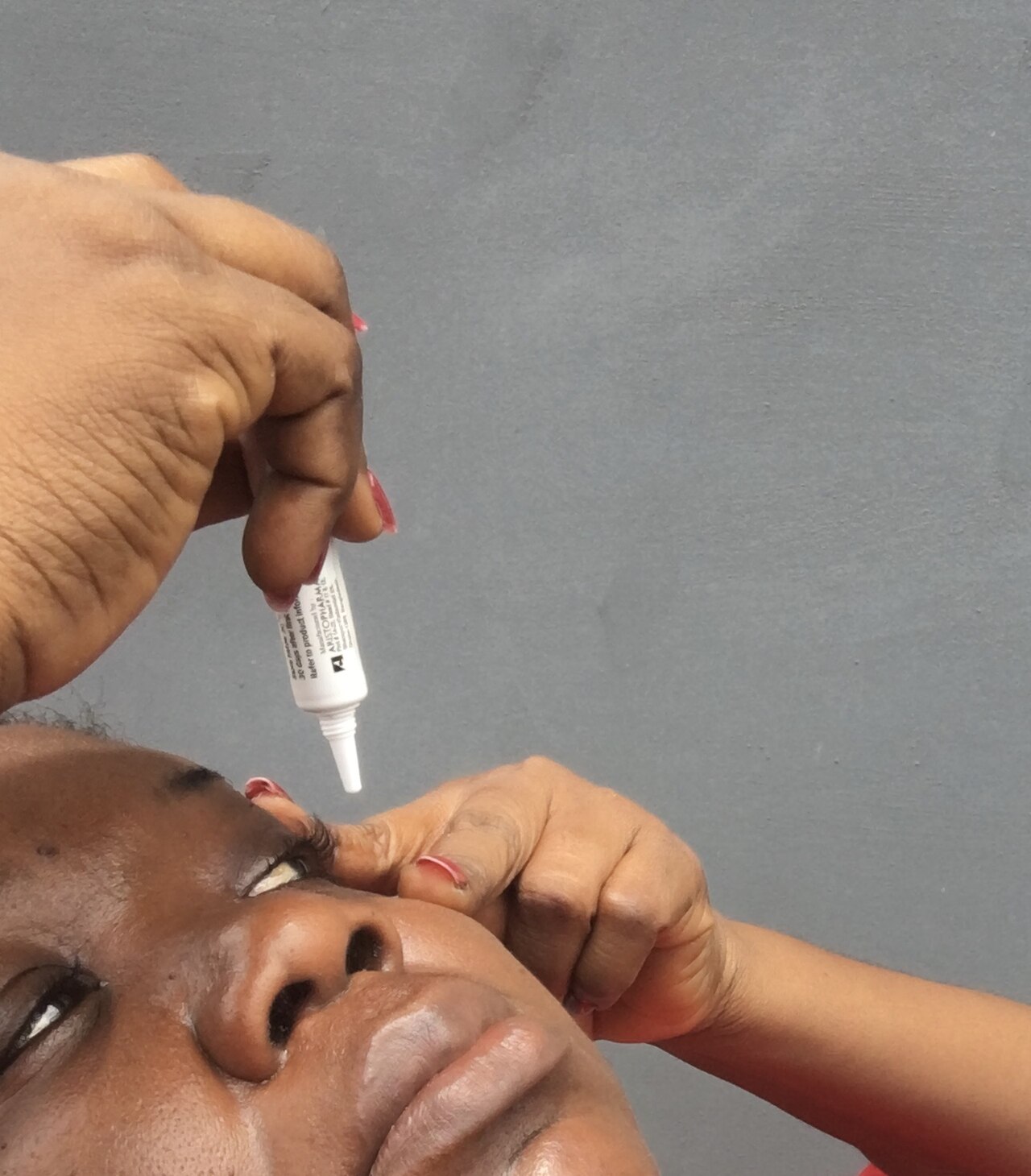
Sjögren's Disease — educational image

Image: Beendy234 · CC0 · Source

Clinically reviewed

This source-backed guide has completed independent clinical review.

Common signs and symptoms

Symptoms vary from person to person and may cycle between milder and more severe periods.

  • Dry eyes that burn, itch, or feel gritty, sometimes with blurred vision or sensitivity to bright light.
  • A dry mouth with trouble swallowing, speaking, or tasting, and more cavities or mouth infections such as thrush.
  • Fatigue, joint pain, and muscle aches are commonly reported.
  • Dry skin, nose, throat, or vagina, a dry cough, swollen glands around the face and neck, or numbness and tingling.

Sources [1]

What may contribute

Sjögren's is an autoimmune disease in which the immune system mistakenly attacks the glands that make moisture.

  • Researchers believe a combination of genetic and environmental factors is involved.
  • Variants in several genes, many involved in immunity, have been linked to the disease.
  • Most people with Sjögren's are women, and it is most common in people in their 40s and 50s.
  • It can occur by itself or alongside rheumatoid arthritis, lupus, or Raynaud's phenomenon.

Sources [1]

How it is evaluated

No single test confirms Sjögren's; diagnosis combines symptoms, gland function, and evidence of autoimmunity.

  • A clinician asks when dryness started, whether it happens every day, and which medicines you take.
  • Eye tests measure tear production and check for damage caused by dryness.
  • Salivary gland tests measure saliva; ultrasound or a biopsy can show whether the glands are inflamed.
  • Blood tests look for antibodies linked to Sjögren's, but antibodies alone cannot make the diagnosis.

Sources [1]

Treatment and ongoing care

There is no cure, so treatment relieves symptoms and helps prevent complications based on the parts of the body affected.

  • Artificial tears, eye ointments, prescription eye drops, or small tear-duct plugs can ease dry eyes.
  • Saliva substitutes and prescription medicines that stimulate saliva can help a dry mouth.
  • Pain relievers or disease-modifying and anti-malarial medicines may help joint pain, rashes, and wider effects.
  • Corticosteroids are usually reserved for rare, serious effects of the disease, at the lowest effective dose.

Sources [1], [2]

Day-to-day support

Daily habits can make dryness easier to live with alongside medical care.

  • Sip water through the day and use sugar-free gum or candy to encourage saliva.
  • Brush and floss regularly, use fluoride toothpaste, and see a dentist at least twice a year.
  • Use humidifiers, protect your eyes from drafts and smoke, and use preservative-free drops if you need them often.
  • Moisturize dry skin, use lip balm and saline nasal spray, and stay active to help with fatigue.

Sources [1]

When to seek prompt help

Some changes should be checked soon rather than at the next routine visit.

  • Burning, soreness, or white patches inside the mouth may be thrush and should be checked by a doctor or dentist.
  • Report new shortness of breath, trouble breathing, or muscle weakness promptly.
  • Persistent swelling of the glands around the face or neck should be evaluated, as the risk of lymphoma is higher, though still low.
  • Call 911 for severe trouble breathing, chest pain, or signs of a stroke.

Sources [1]

Research basis

Sources and review status

Sources were checked on October 16, 2026. This guide is version 2026.10. This source-backed guide has completed independent clinical review.

  1. [1]
    Sjögren's Disease

    NIH National Institute of Arthritis and Musculoskeletal and Skin Diseases (2024)

  2. [2]
    EULAR recommendations for the management of Sjögren's syndrome with topical and systemic therapies

    Annals of the Rheumatic Diseases (2020) · DOI 10.1136/annrheumdis-2019-216114 · PMID 31672775

Commonly involved specialists

These are the types of clinicians who are frequently involved in evaluating or supporting this condition.

RheumatologistOphthalmologistDentistPrimary care clinician

Factors to discuss with a qualified professional

Bringing organized notes on these topics can help make your appointment more focused.

  • When dryness of the eyes or mouth began and how often it happens
  • Medicines you take that might make dryness worse
  • Fatigue, joint pain, or other symptoms beyond dryness
  • Dental problems or mouth infections you have noticed

Things you might track over time

A symptom journal can help you and your clinician review patterns together.

Eye dryness
Mouth dryness
Fatigue levels
Joint pain

This information is educational and does not provide a diagnosis or treatment plan. Discuss your individual situation with a qualified healthcare professional.

Find specialists near you

Search our directory of US doctors for the specialists commonly involved in sjögren's disease care, then add your state or city.

Open Find Care