Free to start · Not medical advice

Health Library
AutoimmuneCondition guide

Rheumatoid Arthritis

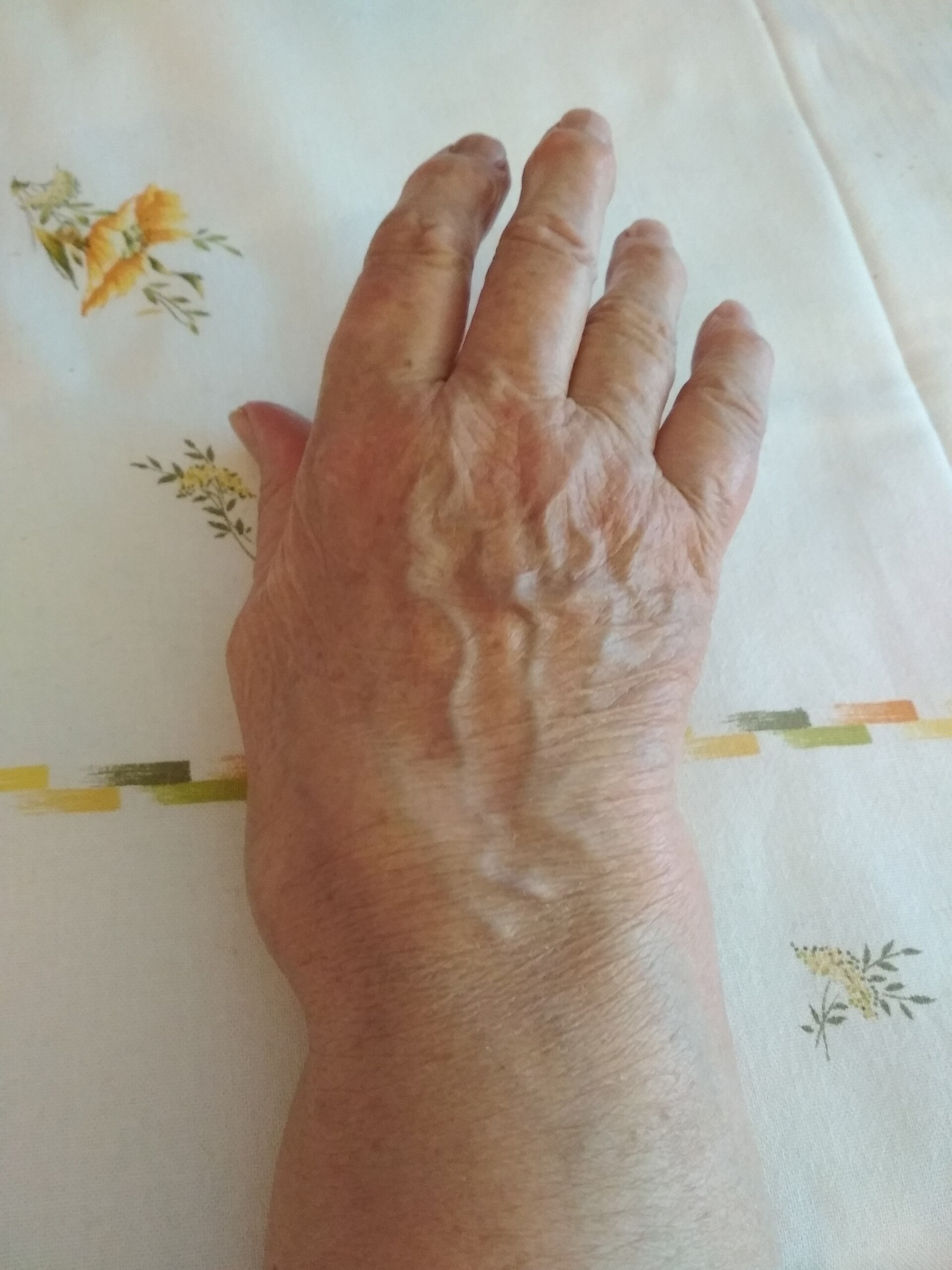
Rheumatoid arthritis is an autoimmune condition in which the immune system can affect the lining of the joints. Learning about how it is commonly evaluated and monitored can help you prepare for conversations with your care team.

Rheumatoid Arthritis — educational image

Image: Amm0nium · CC BY-SA 4.0 · Source

Clinically reviewed

This source-backed guide has completed independent clinical review.

Common signs and symptoms

Symptoms often build over weeks, but the pattern varies from person to person.

  • Pain, tenderness, warmth, or visible swelling in one or more joints.
  • Morning stiffness or stiffness after rest that often lasts longer than 30 minutes.
  • Symptoms commonly involve the hands, wrists, or feet and may occur on both sides.
  • Fatigue, reduced energy, low-grade fever, or reduced appetite may occur.

Sources [1]
What may contribute

Rheumatoid arthritis develops through an interaction between immune regulation, genes, and environmental exposures.

  • The exact cause is unknown and no single behavior causes rheumatoid arthritis.
  • Family history can increase susceptibility, although most relatives do not develop it.
  • Long-term cigarette smoking is an established modifiable risk factor.
  • The condition is more common in women and becomes more common with age.

Sources [1]

How it is evaluated

No single result confirms rheumatoid arthritis; clinicians combine the history, examination, tests, and imaging.

  • Evaluation considers symptom timing, joint distribution, function, family history, and medicines.
  • Examination looks for joint inflammation, tenderness, movement loss, and effects outside the joints.
  • Rheumatoid factor and anti-CCP can support diagnosis, but positive or negative results are not definitive alone.
  • ESR or CRP, blood counts, organ tests, X-rays, ultrasound, or MRI may be selected.
  • Persistent unexplained swelling of several or small hand or foot joints warrants prompt specialist assessment.

Sources [1], [2]

Treatment and ongoing care

Early control of inflammation can reduce symptoms and help prevent irreversible joint damage.

  • Rheumatology care generally aims for remission or low disease activity with regular reassessment.
  • Disease-modifying antirheumatic drugs control disease rather than only masking pain.
  • Anti-inflammatory medicines or short corticosteroid courses may sometimes bridge symptoms but have important risks.
  • Physical and occupational therapy can support mobility, strength, hand function, and joint protection.
  • Surgical assessment may be considered for severe damage or loss of function despite appropriate care.

Sources [1], [2]

Day-to-day support

Self-management works alongside, not instead of, disease-modifying care.

  • Take medicines as agreed and contact the treating team before stopping a DMARD or corticosteroid.
  • Balance movement with shorter rest periods and use low-impact aerobic, strength, and flexibility activity.
  • Track new swelling, morning stiffness, fatigue, and changes in daily function.
  • Avoid smoking and maintain routine dental, vaccination, and preventive care.

Sources [1], [2]

When to seek urgent help

New severe symptoms should not automatically be treated as a routine flare.

  • Seek same-day care for a hot, intensely painful, rapidly swollen joint with fever or feeling very unwell.
  • Seek prompt advice for fever or signs of serious infection while taking immune-suppressing treatment.
  • A painful red eye, marked light sensitivity, or sudden vision change needs urgent assessment.
  • Call emergency services for chest pain, severe breathing difficulty, stroke-like symptoms, or a severe allergic reaction.

Sources [1], [2]

Research basis

Sources and review status

Sources were checked on October 5, 2026. This guide is version 2026.10. This source-backed guide has completed independent clinical review.

  1. [1]
    Rheumatoid Arthritis

    NIH National Institute of Arthritis and Musculoskeletal and Skin Diseases (2022)

  2. [2]
    Rheumatoid arthritis in adults: management

    National Institute for Health and Care Excellence, NG100 (2018)

Commonly involved specialists

These are the types of clinicians who are frequently involved in evaluating or supporting this condition.

RheumatologistPrimary care clinicianPhysical therapistOccupational therapist

Factors to discuss with a qualified professional

Bringing organized notes on these topics can help make your appointment more focused.

  • Which joints feel affected and when symptoms are most noticeable
  • How symptoms change with rest, activity, and time of day
  • Any morning stiffness and how long it typically lasts
  • How symptoms affect daily activities and sleep

Things you might track over time

A symptom journal can help you and your clinician review patterns together.

Joint stiffness duration
Fatigue levels
Flare frequency
Medication timing

This information is educational and does not provide a diagnosis or treatment plan. Discuss your individual situation with a qualified healthcare professional.

Find specialists near you

Search our directory of US doctors for the specialists commonly involved in rheumatoid arthritis care, then add your state or city.

Open Find Care