Free to start · Not medical advice

Health Library
AutoimmuneCondition guide

Psoriatic Arthritis

Psoriatic arthritis is an inflammatory condition that some people experience alongside psoriasis. It is commonly discussed with both rheumatology and dermatology.

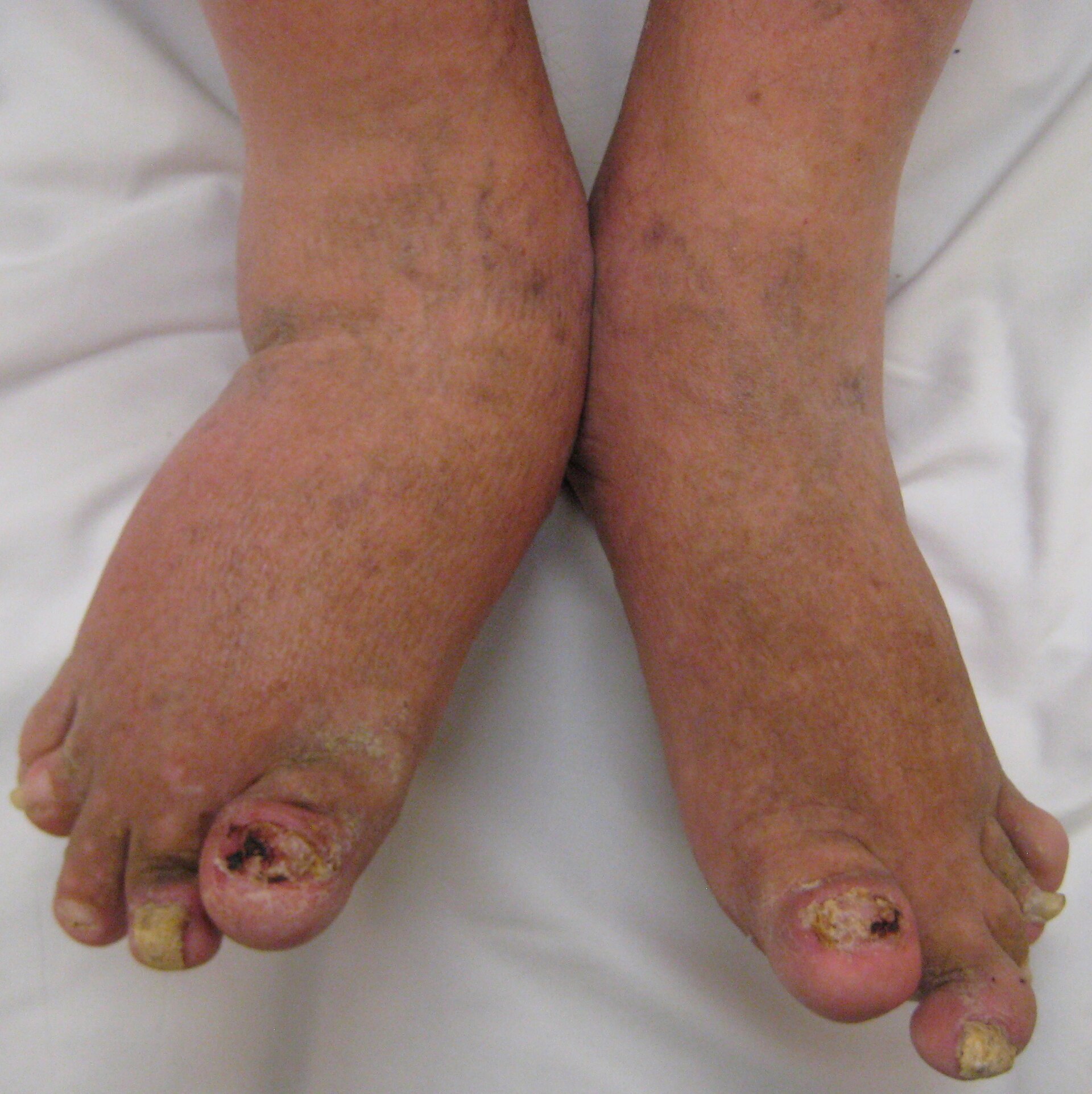
Psoriatic Arthritis — educational image

Image: James Heilman, MD · CC BY-SA 3.0 · Source

Clinically reviewed

This source-backed guide has completed independent clinical review.

Common signs and symptoms

Joint symptoms may occur before, after, or alongside recognizable psoriasis.

  • Pain, swelling, and stiffness in one or more joints, often worse after rest.
  • An entire finger or toe may become swollen.
  • Tenderness can occur where tendons or ligaments meet bone, commonly at the heel.
  • Persistent lower-back, buttock, hip, or neck stiffness may occur.
  • Psoriasis patches, nail pitting, crumbling, thickening, or separation can offer clues.

Sources [1]

What may contribute

Psoriatic arthritis reflects abnormal immune activity, but why it begins in one person is not fully understood.

  • Most affected people have psoriasis first, but skin severity does not reliably predict arthritis.
  • Family history and genetic factors increase susceptibility without making disease inevitable.
  • Among people with psoriasis, obesity and more extensive skin disease are associated with higher risk.
  • Infection, joint injury, or major stress may act as triggers in some people.

Sources [1]

How it is evaluated

There is no single definitive test; diagnosis combines the pattern of findings and exclusion of alternatives.

  • Assessment includes joints, fingers and toes, tendon attachments, spine, skin, and nails.
  • The clinician asks about personal or family psoriasis and the sequence of skin and joint symptoms.
  • Blood tests can assess inflammation and alternatives, but normal markers do not exclude the condition.
  • X-ray, ultrasound, or MRI may identify inflammation or damage when clinically useful.
  • Eye, bowel, cardiovascular, metabolic, and mental-health effects should also be considered.

Sources [1], [2]

Treatment and ongoing care

Treatment is matched to joint, spine, skin, nail, eye, and bowel involvement.

  • Care is commonly coordinated by rheumatology with other specialties as needed.
  • Anti-inflammatory medicines or local injections may provide symptom relief in selected cases.
  • Disease-modifying medicines may be started promptly for active peripheral arthritis.
  • Biologic or targeted therapies may be considered for persistent disease or particular disease patterns.
  • Physical or occupational therapy and tailored exercise can support mobility and function.

Sources [1], [2]

Day-to-day support

Reporting musculoskeletal symptoms early can reduce delays in specialist assessment.

  • Report new swelling, a swollen whole digit, heel pain, or increasing morning stiffness.
  • Use regular low-impact aerobic, strengthening, and mobility activity matched to symptoms.
  • Avoid smoking and seek sustainable weight support if relevant.
  • Do not stop immune-modifying medicines without clinical advice.
  • Seek practical or psychological support when pain, skin disease, or fatigue affects daily life.

Sources [1], [2]

When to seek urgent help

Eye inflammation, infection, and an acutely hot joint need timely assessment.

  • A painful red eye, light sensitivity, or blurred vision needs same-day eye assessment.
  • Seek same-day care for a hot, rapidly swollen joint with fever or feeling very unwell.
  • Seek prompt advice for high fever or signs of infection while taking immune-suppressing medicine.
  • Call emergency services for severe breathing difficulty, chest pain, stroke-like symptoms, or new bladder or bowel loss.

Sources [1], [2]

Research basis

Sources and review status

Sources were checked on October 5, 2026. This guide is version 2026.10. This source-backed guide has completed independent clinical review.

  1. [1]
    Psoriatic Arthritis

    NIH National Institute of Arthritis and Musculoskeletal and Skin Diseases (2024)

  2. [2]
    EULAR recommendations for the management of psoriatic arthritis with pharmacological therapies: 2023 update

    Annals of the Rheumatic Diseases (2024) · DOI 10.1136/ard-2024-225531 · PMID 38499325

Commonly involved specialists

These are the types of clinicians who are frequently involved in evaluating or supporting this condition.

RheumatologistDermatologistPrimary care clinician

Factors to discuss with a qualified professional

Bringing organized notes on these topics can help make your appointment more focused.

  • Skin and nail changes alongside joint symptoms
  • Patterns of stiffness and swelling
  • Family history if known
  • Impact on daily activities

Things you might track over time

A symptom journal can help you and your clinician review patterns together.

Skin symptoms
Joint swelling
Fatigue
Flare triggers

This information is educational and does not provide a diagnosis or treatment plan. Discuss your individual situation with a qualified healthcare professional.

Find specialists near you

Search our directory of US doctors for the specialists commonly involved in psoriatic arthritis care, then add your state or city.

Open Find Care