Free to start · Not medical advice

Health Library
JointCondition guide

Osteoarthritis

Osteoarthritis is one of the most common joint conditions and is often discussed in relation to the knees, hips, hands, and spine. Understanding the language clinicians use can help you ask focused questions.

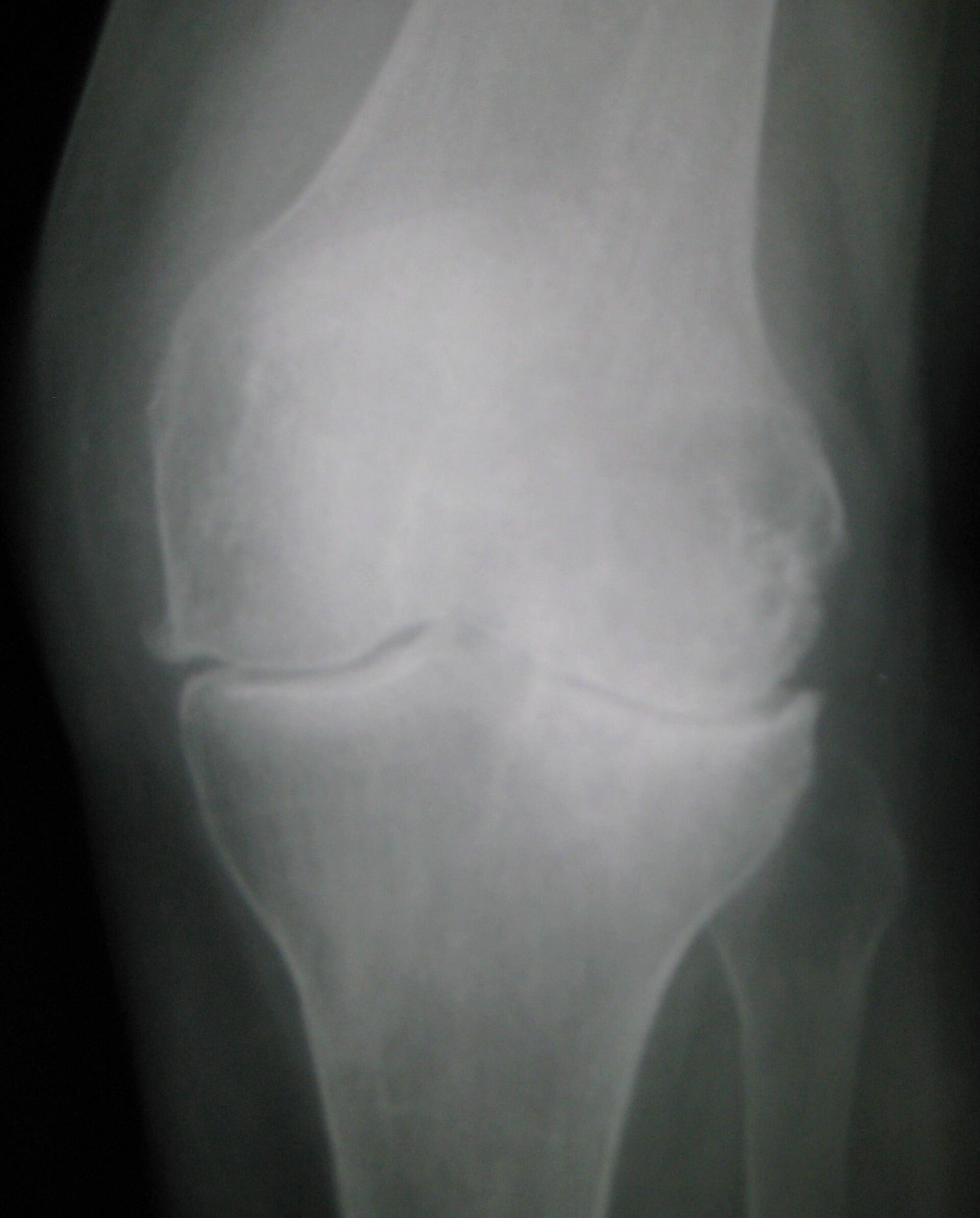
Osteoarthritis — educational image

Image: James Heilman, MD · CC BY-SA 4.0 · Source

Clinically reviewed

This source-backed guide has completed independent clinical review.

Common signs and symptoms

Osteoarthritis can affect one or several joints, most often the knees, hips, hands, or spine.

  • Joint pain is often related to movement or activity and may improve with rest.
  • Morning stiffness or stiffness after inactivity often settles within about 30 minutes.
  • Movement may become limited and everyday tasks may become harder.
  • Swelling, grinding, clicking, creaking, or gradual shape change can occur.

Sources [1]

What may contribute

Osteoarthritis involves changes across the whole joint and is not simply unavoidable wear and tear.

  • Risk increases with age, but osteoarthritis is not inevitable.
  • Previous joint injury, surgery, repeated heavy loading, or joint structure can increase risk.
  • Higher body weight can increase load on weight-bearing joints.
  • Family history and inherited cartilage or joint-shape traits contribute for some people.

Sources [1]

How it is evaluated

Typical osteoarthritis can often be diagnosed from symptoms and examination without routine imaging.

  • A clinician asks which joints hurt, how symptoms relate to activity, and how function is affected.
  • Examination assesses tenderness, swelling, movement, stability, strength, and walking.
  • In adults 45 or older, activity-related pain with brief or no morning stiffness is a typical pattern.
  • Imaging or tests may be used for rapid change, injury, prolonged stiffness, or suspected infection or inflammatory arthritis.

Sources [1], [2]

Treatment and ongoing care

Treatment is guided by symptoms and function rather than an X-ray alone.

  • Education and tailored strengthening and aerobic exercise are core treatments.
  • Supported weight reduction may improve pain and function when relevant.
  • Physical or occupational therapy can help with technique, aids, hand supports, or selected braces.
  • Clinicians may consider topical or oral medicines after reviewing gastrointestinal, kidney, liver, and heart risks.
  • Joint replacement referral may be appropriate when quality of life remains substantially affected.

Sources [1], [2]

Day-to-day support

Regular tolerable activity generally supports function better than prolonged inactivity.

  • Begin movement gradually and adjust with a clinician or therapist when needed.
  • Break demanding tasks into shorter periods and vary positions or movements.
  • Use heat or cold safely for short-term comfort and protect the skin.
  • Use stable footwear and correctly fitted aids when recommended.

Sources [1], [2]

When to seek urgent help

Some acute joint symptoms point to injury, infection, or another diagnosis rather than osteoarthritis.

  • Seek same-day care for a suddenly hot, red, very swollen joint, especially with fever.
  • Seek urgent assessment for severe pain and inability to use a joint after an injury.
  • Call emergency services for major deformity, loss of circulation, or new bladder or bowel loss with back symptoms.
  • Arrange prompt review for rapid worsening, prolonged morning stiffness, weight loss, or persistent night pain.

Sources [1], [2]

Research basis

Sources and review status

Sources were checked on October 5, 2026. This guide is version 2026.10. This source-backed guide has completed independent clinical review.

  1. [1]
    Osteoarthritis

    NIH National Institute of Arthritis and Musculoskeletal and Skin Diseases (2023)

  2. [2]
    Osteoarthritis in over 16s: diagnosis and management

    National Institute for Health and Care Excellence, NG226 (2022)

Commonly involved specialists

These are the types of clinicians who are frequently involved in evaluating or supporting this condition.

Orthopedic specialistPrimary care clinicianPhysical therapist

Factors to discuss with a qualified professional

Bringing organized notes on these topics can help make your appointment more focused.

  • Which joints are involved and how mobility is affected
  • Activities that increase or ease discomfort
  • Prior imaging or evaluations you have had
  • Goals for movement and daily function

Things you might track over time

A symptom journal can help you and your clinician review patterns together.

Pain during activity
Range of motion
Swelling
Walking distance

This information is educational and does not provide a diagnosis or treatment plan. Discuss your individual situation with a qualified healthcare professional.

Find specialists near you

Search our directory of US doctors for the specialists commonly involved in osteoarthritis care, then add your state or city.

Open Find Care