Free to start · Not medical advice

Health Library
JointSymptom guide

Knee Problems

Knee concerns can have many causes and are commonly evaluated by primary care and orthopedic clinicians. Understanding your goals for movement is a helpful starting point.

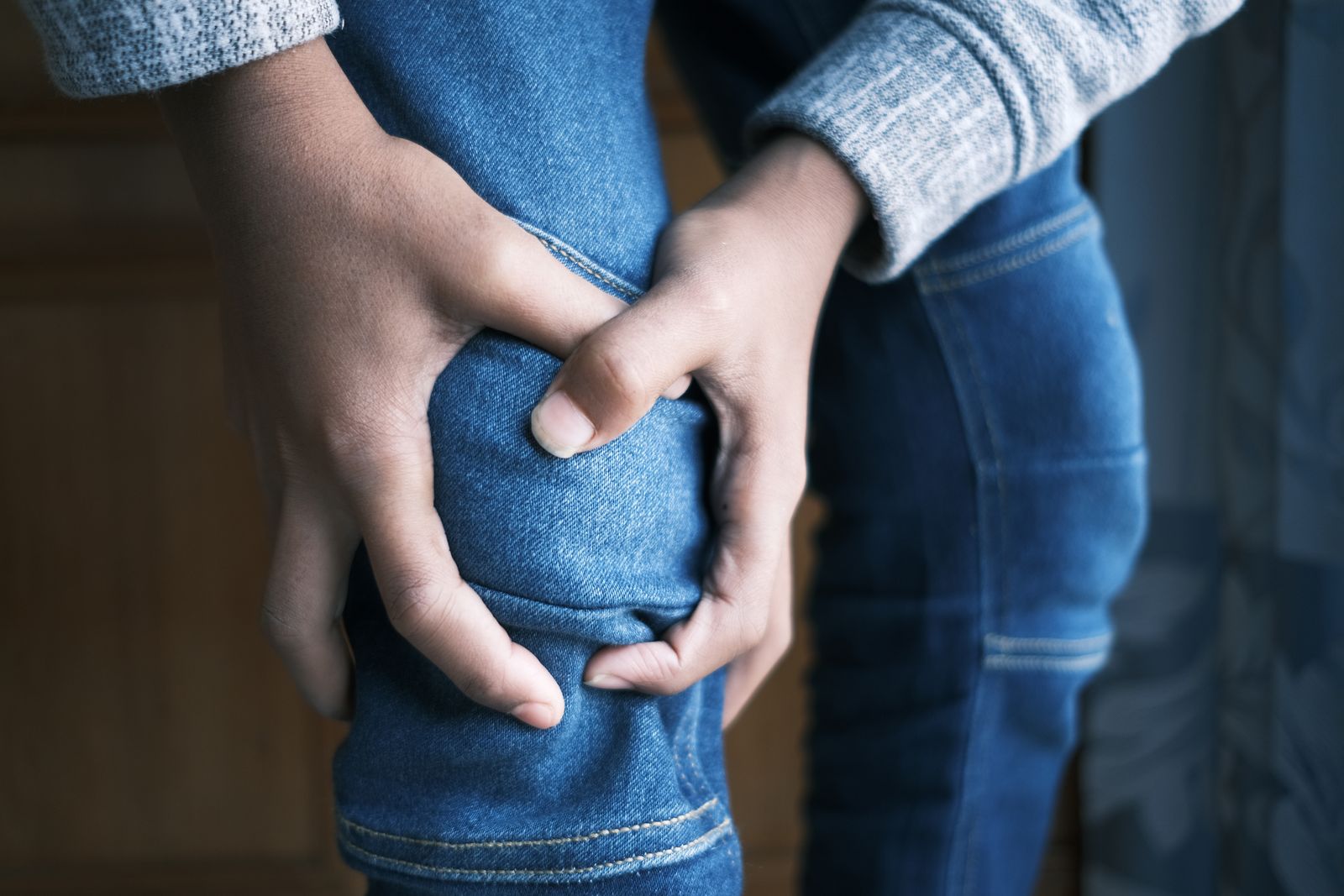
Knee Problems — educational image

Image: Pexels · Pexels License · Source

Clinically reviewed

This source-backed guide has completed independent clinical review.

Common patterns and effects

Knee problems are a symptom group rather than one diagnosis.

  • Front-of-knee pain during stairs, squatting, running, or prolonged sitting.
  • Joint-line pain with catching, clicking, locking, or difficulty straightening.
  • A pop, rapid swelling, bruising, instability, or giving way after injury.
  • Activity-related aching, brief stiffness, warmth, redness, swelling, or reduced movement.
  • Difficulty bearing weight or loss of strength.

Sources [1], [3]

What may contribute

Pain can arise from the joint, kneecap, cartilage, ligaments, tendons, bursae, muscles, or nearby structures.

  • Fractures, dislocations, or injuries to ligaments, menisci, muscles, or tendons.
  • Repetitive loading or rapid increases in training, work, kneeling, running, or jumping.
  • Osteoarthritis influenced by age, prior injury, joint structure, and body weight.
  • Inflammatory arthritis, gout, bursitis, or joint infection.
  • Pain referred from the hip, back, nerves, or blood vessels.

Sources [1], [3]

How it is evaluated

The mechanism, swelling timing, stability, and ability to bear weight help guide testing.

  • History covers injury, locking, giving way, activity changes, fever, and weight bearing.
  • Examination assesses alignment, tenderness, swelling, movement, strength, stability, circulation, and nerves.
  • X-rays may be used when fracture or atypical features are suspected.
  • MRI may help when an important internal injury remains suspected and results would change care.
  • Blood tests and urgent joint-fluid aspiration may be needed for infection, gout, or inflammatory disease.

Sources [1], [2], [4]

Treatment and ongoing care

Treatment depends on the specific injury or condition rather than pain location alone.

  • Short-term protection and activity adjustment may be followed by progressive rehabilitation.
  • Therapeutic exercise can improve strength, mobility, balance, and aerobic fitness.
  • Weight-management support can help selected people with knee osteoarthritis.
  • Medicines, braces, aids, injections, or procedures are selected for particular diagnoses and risks.
  • Orthopedic treatment may be needed for unstable injury, displaced fracture, mechanical blockage, tendon rupture, or severe arthritis.

Sources [1], [3]

Day-to-day support

Protect an acute injury without using unnecessary prolonged immobilization.

  • Temporarily reduce activities that sharply worsen symptoms.
  • For a recent injury, protected loading, ice, compression, and elevation may help when appropriate.
  • Resume movement and strengthening gradually after a significant injury.
  • Track swelling, locking, instability, walking tolerance, and activity patterns.

Sources [1], [2]

When to seek urgent help

Deformity, circulation loss, infection, or inability to use the knee require urgent assessment.

  • Seek emergency care for a visibly deformed knee, exposed bone, or an open wound over a suspected fracture.
  • Seek urgent care after trauma if you cannot bear weight, cannot straighten the knee, or it is locked.
  • A cold, pale, blue, numb, or very weak foot after injury is an emergency.
  • A suddenly hot, swollen, very painful joint needs same-day care, even without fever.

Sources [1], [2], [4]

Research basis

Sources and review status

Sources were checked on October 5, 2026. This guide is version 2026.10. This source-backed guide has completed independent clinical review.

  1. [1]
    Sports Injuries

    NIH National Institute of Arthritis and Musculoskeletal and Skin Diseases (2024)

  2. [2]
    ACR Appropriateness Criteria: Acute Trauma to the Knee

    Journal of the American College of Radiology (2020) · DOI 10.1016/j.jacr.2020.01.041 · PMID 32370956

  3. [3]
    Osteoarthritis in over 16s: diagnosis and management

    National Institute for Health and Care Excellence, NG226 (2022)

  4. [4]
    Guideline for management of septic arthritis in native joints (SANJO)

    Journal of Bone and Joint Infection (2023) · DOI 10.5194/jbji-8-29-2023 · PMID 36756304

Commonly involved specialists

These are the types of clinicians who are frequently involved in evaluating or supporting this condition.

Orthopedic specialistPrimary care clinicianPhysical therapist

Factors to discuss with a qualified professional

Bringing organized notes on these topics can help make your appointment more focused.

  • When discomfort occurs
  • Activities affected
  • Prior injuries or imaging
  • Mobility goals

Things you might track over time

A symptom journal can help you and your clinician review patterns together.

Pain during activity
Swelling
Range of motion
Walking distance

This information is educational and does not provide a diagnosis or treatment plan. Discuss your individual situation with a qualified healthcare professional.

Find specialists near you

Search our directory of US doctors for the specialists commonly involved in knee problems care, then add your state or city.

Open Find Care