Free to start · Not medical advice

Health Library
AutoimmuneCondition family guide

Juvenile Idiopathic Arthritis

Juvenile idiopathic arthritis (JIA) is a group of conditions in which an overactive immune system causes joint inflammation in children and teens. Symptoms depend on the type and can include joint pain, swelling, stiffness, and eye inflammation. With early treatment, most children reach periods with no active disease.

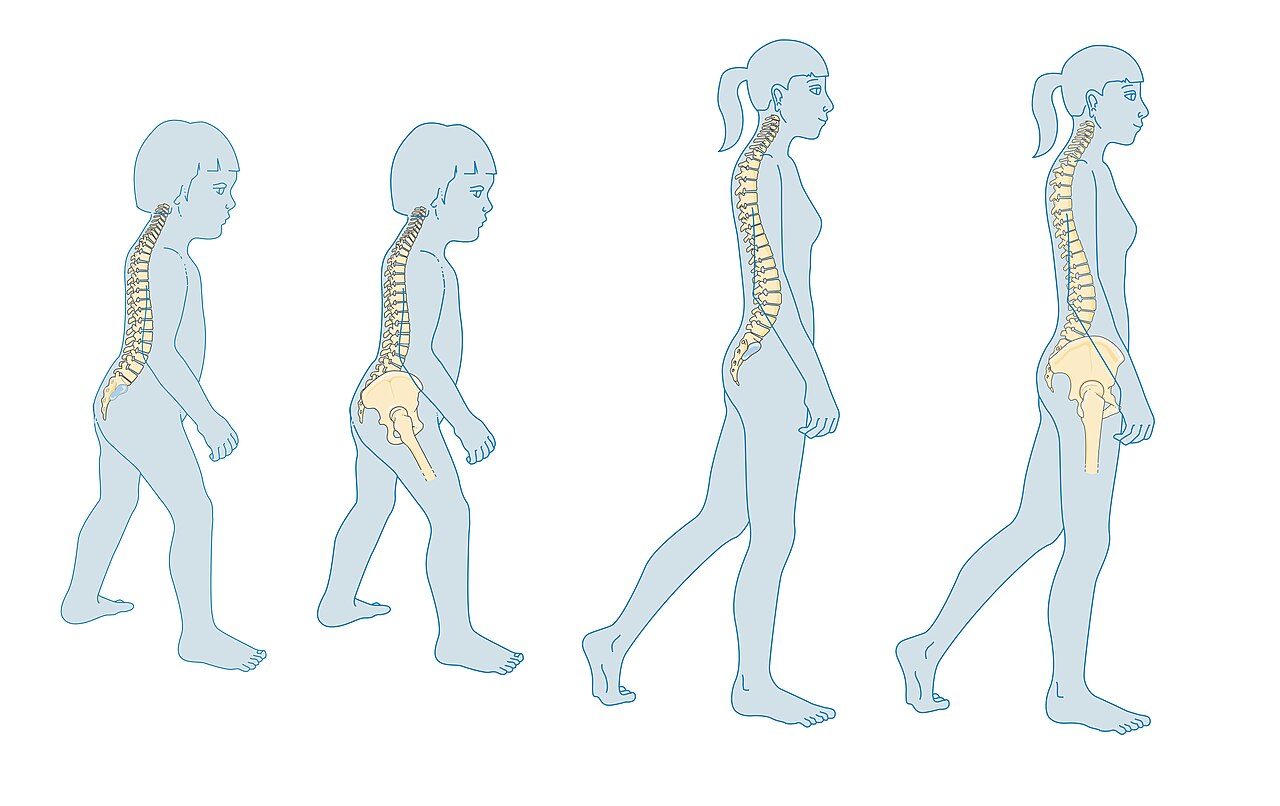
Juvenile Idiopathic Arthritis — educational image

Image: Laboratoires Servier · CC BY-SA 3.0 · Source

Clinically reviewed

This source-backed guide has completed independent clinical review.

Common signs and symptoms

All types share joint pain, swelling, warmth, and stiffness that last at least 6 weeks.

  • Stiffness that is worse in the morning or after a nap or sitting; young children may limp rather than say they hurt.
  • Eye inflammation (uveitis), which may cause no symptoms, so regular eye exams are needed.
  • In systemic JIA, daily fevers and a light red or pink rash that comes and goes.
  • Scaly skin patches, pitted nails, or swollen fingers or toes in psoriatic JIA, and growth differences near inflamed joints.

Sources [1]

What may contribute

JIA begins when the immune system becomes overactive and causes inflammation; the exact causes are unknown.

  • "Idiopathic" means the origins of the condition are not understood.
  • It starts before the 16th birthday; most forms are more common in girls, but enthesitis-related JIA is more common in boys.
  • A family history of chronic inflammatory arthritis slightly increases risk, though more than one child in a family is very rare.
  • There are several types, defined by how many joints are involved and other features.

Sources [1]

How it is evaluated

No single test diagnoses JIA; doctors suspect it with unexplained joint symptoms lasting at least 6 weeks and rule out other causes.

  • The doctor asks about symptoms and family history and checks the joints, skin, eyes, lymph nodes, and movement.
  • ESR and CRP blood tests measure inflammation, and an ANA test helps identify a higher risk of eye inflammation.
  • Rheumatoid factor, anti-CCP, and HLA-B27 tests can help identify the type.
  • X-rays, ultrasound, or MRI help rule out other causes and show inflammation or damage.

Sources [1]

Treatment and ongoing care

Goals include controlling inflammation, preventing damage, and supporting growth, school, and normal activities.

  • Anti-inflammatory and pain medicines can ease pain and swelling.
  • Disease-modifying drugs and biologic medicines help prevent progression and reach remission.
  • Corticosteroid injections into a joint can bring fast relief; other forms are used in certain situations at the lowest dose needed.
  • Physical therapy helps maintain range of motion and strength and supports safe sport and activity.

Sources [1], [2]

Day-to-day support

Families play a big role in day-to-day care.

  • Keep regular medical appointments and scheduled eye exams with an ophthalmologist.
  • Encourage a balanced diet and regular exercise, including any home program from the physical therapist.
  • Work with the care team and your child's school to support full participation in school, sports, and social life.
  • A social worker or mental health professional can help the child and family cope with challenges.

Sources [1]

When to seek prompt help

Some symptoms should be evaluated promptly.

  • Seek prompt care for eye pain, eye redness, or sensitivity to light.
  • Contact the care team about daily fevers with a rash, especially if your child seems unwell.
  • Report a newly swollen joint, new limping, or loss of motion promptly, because delaying treatment can lead to joint damage.

Sources [1]

Research basis

Sources and review status

Sources were checked on October 16, 2026. This guide is version 2026.10. This source-backed guide has completed independent clinical review.

  1. [1]
    Juvenile Idiopathic Arthritis (JIA)

    NIH National Institute of Arthritis and Musculoskeletal and Skin Diseases

Commonly involved specialists

These are the types of clinicians who are frequently involved in evaluating or supporting this condition.

Pediatric rheumatologistPediatricianOphthalmologistPhysical therapist

Factors to discuss with a qualified professional

Bringing organized notes on these topics can help make your appointment more focused.

  • Which joints are swollen or stiff and for how long
  • Morning limping or stiffness after naps or sitting
  • The date of the most recent eye exam
  • How symptoms affect school, sports, and sleep

Things you might track over time

A symptom journal can help you and your clinician review patterns together.

Joint swelling
Morning stiffness
Eye exam schedule
Fevers or rashes

This information is educational and does not provide a diagnosis or treatment plan. Discuss your individual situation with a qualified healthcare professional.

Find specialists near you

Search our directory of US doctors for the specialists commonly involved in juvenile idiopathic arthritis care, then add your state or city.

Open Find Care