Free to start · Not medical advice

Health Library
InflammatorySymptom guide

Joint Inflammation

Joint inflammation can have many underlying causes. Clinicians often begin by understanding which joints are involved and how symptoms behave over time.

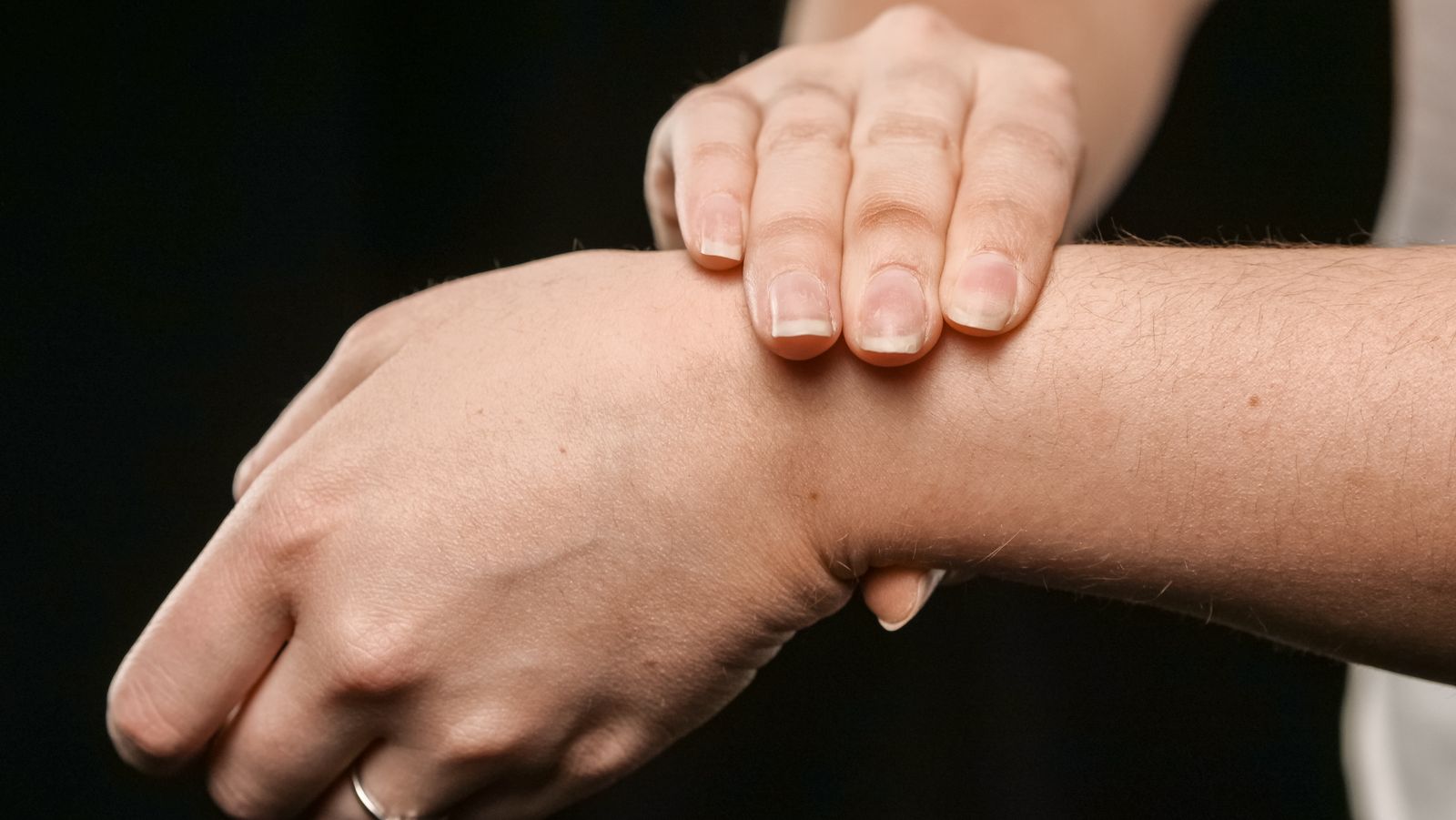
Joint Inflammation — educational image

Image: Pexels · Pexels License · Source

Clinically reviewed

This source-backed guide has completed independent clinical review.

Common patterns and effects

Joint inflammation is a finding with many possible causes, not one diagnosis.

  • A painful, swollen, warm, or red joint with reduced movement.
  • One joint, several joints, or a symmetric pattern may be involved.
  • Morning or post-rest stiffness may last longer than about 30 minutes.
  • Attacks can recur or symptoms may persist and gradually worsen.
  • Fatigue, fever, rash, eye symptoms, or bowel symptoms may occur.

Sources [1]

What may contribute

Infection must be considered promptly when a joint becomes acutely hot and swollen.

  • Bacterial or other joint infection.
  • Crystal arthritis such as gout or calcium pyrophosphate deposition disease.
  • Autoimmune inflammatory arthritis including rheumatoid, psoriatic, or spondyloarthritis.
  • Reactive arthritis after infection or arthritis associated with inflammatory bowel disease.
  • Trauma, bursitis, tendon disorders, or osteoarthritis can create local inflammatory symptoms.

Sources [1], [2]

How it is evaluated

The speed, joint pattern, associated symptoms, and infection risks guide urgent testing.

  • History covers timing, fever, injury, infections, skin or bowel symptoms, medicines, and immune suppression.
  • Examination includes joints, skin, nails, eyes, movement, and general illness signs.
  • Urgent joint aspiration tests fluid for culture, cell count, and crystals when infection is possible.
  • Blood tests may assess inflammation, infection, urate, organ function, or immune markers.
  • X-ray, ultrasound, or MRI may identify fluid, damage, fracture, abscess, or another cause.

Sources [1], [2]

Treatment and ongoing care

Treatment is cause-specific and infection must be excluded before some anti-inflammatory treatments.

  • Suspected septic arthritis requires emergency cultures, antimicrobial treatment, and drainage or surgery.
  • Crystal, reactive, or infection-associated arthritis receives diagnosis-specific treatment.
  • Persistent inflammatory arthritis needs early rheumatology assessment and disease-modifying care.
  • Physical or occupational therapy can preserve movement, strength, and daily function.
  • Monitoring covers response, medicine toxicity, infection risk, damage, and effects outside joints.

Sources [1], [2]

Day-to-day support

A new hot swollen joint should not be diagnosed or treated solely at home.

  • Arrange urgent assessment for an unexplained hot swollen joint.
  • After serious causes are excluded, balance gentle movement with temporary activity reduction during a flare.
  • Use cold or warmth only when appropriate for the diagnosed condition.
  • Follow medication and laboratory plans and contact the prescriber before stopping immune-modifying treatment.

Sources [1], [2]

When to seek urgent help

Septic arthritis can damage a joint and become life-threatening.

  • Seek same-day emergency assessment for a suddenly hot, swollen, very painful joint; fever may be absent.
  • Call emergency services for confusion, fainting, breathing difficulty, mottled skin, or other sepsis signs.
  • Urgency is higher with immune suppression, recent surgery or injection, a prosthetic joint, or a nearby wound.
  • With rheumatoid arthritis, new neck pain plus weakness, numbness, unsteadiness, or poor coordination needs urgent care.

Sources [1], [2]

Research basis

Sources and review status

Sources were checked on October 5, 2026. This guide is version 2026.10. This source-backed guide has completed independent clinical review.

  1. [1]
    Arthritis

    NIH National Institute of Arthritis and Musculoskeletal and Skin Diseases (2022)

  2. [2]
    Guideline for management of septic arthritis in native joints (SANJO)

    Journal of Bone and Joint Infection (2023) · DOI 10.5194/jbji-8-29-2023 · PMID 36756304

Commonly involved specialists

These are the types of clinicians who are frequently involved in evaluating or supporting this condition.

RheumatologistPrimary care clinicianOrthopedic specialist

Factors to discuss with a qualified professional

Bringing organized notes on these topics can help make your appointment more focused.

  • Affected joints
  • Swelling and stiffness patterns
  • Time of day
  • Daily impact

Things you might track over time

A symptom journal can help you and your clinician review patterns together.

Swelling
Stiffness
Flare frequency
Function

This information is educational and does not provide a diagnosis or treatment plan. Discuss your individual situation with a qualified healthcare professional.

Find specialists near you

Search our directory of US doctors for the specialists commonly involved in joint inflammation care, then add your state or city.

Open Find Care