Free to start · Not medical advice

Health Library
InflammatoryCondition guide

Gout

Gout is a form of inflammatory arthritis that is commonly discussed in relation to sudden episodes in a joint, often the big toe. Tracking episodes can help with appointment discussions.

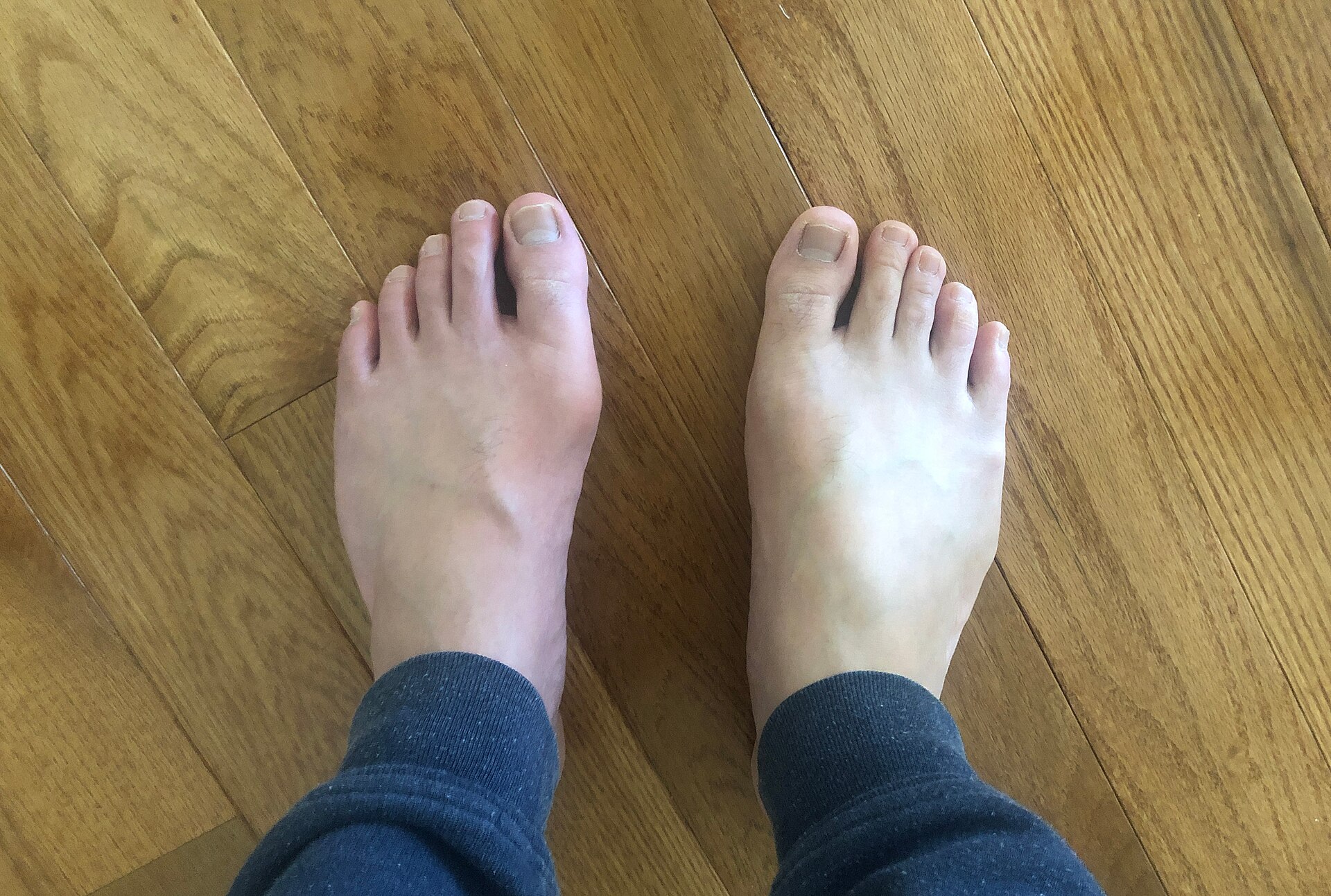
Gout — educational image

Image: Parkov~enwiki · CC BY-SA 4.0 · Source

Clinically reviewed

This source-backed guide has completed independent clinical review.

Common signs and symptoms

Gout typically causes sudden inflammatory attacks separated by quieter periods.

  • A flare may begin rapidly, often overnight, with intense pain in one joint.
  • The joint may be swollen, warm, red, and extremely tender.
  • The big toe is common, but ankles, feet, knees, wrists, hands, or elbows may be affected.
  • Long-standing uncontrolled gout may cause firm deposits called tophi or persistent joint damage.

Sources [1]

What may contribute

Gout develops when excess urate forms crystals in and around joints.

  • Many people with elevated blood urate never develop gout.
  • Kidney function, family history, age, sex, and menopause can influence risk.
  • Kidney disease, higher body weight, metabolic syndrome, and high blood pressure are associated factors.
  • Alcohol, sugar-sweetened drinks, some foods, and certain diuretics can contribute; prescribed medicines should not be stopped without advice.

Sources [1]

How it is evaluated

A hot swollen joint must be assessed for infection as well as gout.

  • A clinician reviews the attack pattern, affected joints, medicines, health conditions, and family history.
  • Blood urate may be lower during a flare and may need repeating after it settles.
  • Joint-fluid aspiration can identify urate crystals and help evaluate infection.
  • Ultrasound, X-ray, or dual-energy CT may be used when uncertainty remains.

Sources [1], [2]

Treatment and ongoing care

Flare treatment and long-term urate control serve different purposes.

  • A clinician may select an anti-inflammatory medicine, colchicine, or corticosteroid for a flare.
  • Cold packs, rest, and elevation may supplement prescribed treatment.
  • Long-term urate-lowering therapy may be offered for recurrent flares, tophi, joint damage, or kidney-related indications.
  • When used, urate-lowering treatment is generally started low and adjusted using repeat measurements.
  • Kidney, cardiovascular, weight, alcohol, dietary, and medicine factors should be reviewed together.

Sources [1], [2]

Day-to-day support

Lifestyle changes can support treatment but are not a substitute for indicated urate-lowering medicine.

  • Follow an agreed flare plan and take prescribed urate-lowering medicine consistently.
  • Track flare dates, joints, duration, possible triggers, and medicine use.
  • Aim for a balanced eating pattern and gradual weight management if appropriate.
  • Discuss alcohol, sugary drinks, hydration, and food triggers with a clinician or dietitian.

Sources [1], [2]

When to seek urgent help

Joint infection can resemble gout and requires urgent treatment.

  • A new or unusually severe hot, red, swollen joint needs same-day assessment.
  • Seek urgent care when joint symptoms occur with fever, chills, broken skin, recent surgery, or immune suppression.
  • Do not assume a first attack or a different-than-usual attack is gout.
  • Call emergency services for confusion, fainting, or rapidly worsening symptoms suggesting sepsis.

Sources [1], [2]

Research basis

Sources and review status

Sources were checked on October 5, 2026. This guide is version 2026.10. This source-backed guide has completed independent clinical review.

  1. [1]
    Gout

    NIH National Institute of Arthritis and Musculoskeletal and Skin Diseases (2023)

  2. [2]
    Gout: diagnosis and management

    National Institute for Health and Care Excellence, NG219 (2022)

Commonly involved specialists

These are the types of clinicians who are frequently involved in evaluating or supporting this condition.

Primary care clinicianRheumatologist

Factors to discuss with a qualified professional

Bringing organized notes on these topics can help make your appointment more focused.

  • When and where episodes occur
  • How long episodes last
  • Dietary and hydration patterns
  • Family history if known

Things you might track over time

A symptom journal can help you and your clinician review patterns together.

Flare frequency
Affected joints
Episode duration
Triggers

This information is educational and does not provide a diagnosis or treatment plan. Discuss your individual situation with a qualified healthcare professional.

Find specialists near you

Search our directory of US doctors for the specialists commonly involved in gout care, then add your state or city.

Open Find Care