Free to start · Not medical advice

Health Library
InflammatoryCondition guide

Giant Cell Arteritis

Giant cell arteritis, also called temporal arteritis, causes inflammation of arteries, especially those on the sides of the head and scalp and the aorta and its main branches. It almost always affects people over 50 and often occurs with polymyalgia rheumatica. Early treatment is important because untreated disease can cause permanent vision loss or stroke.

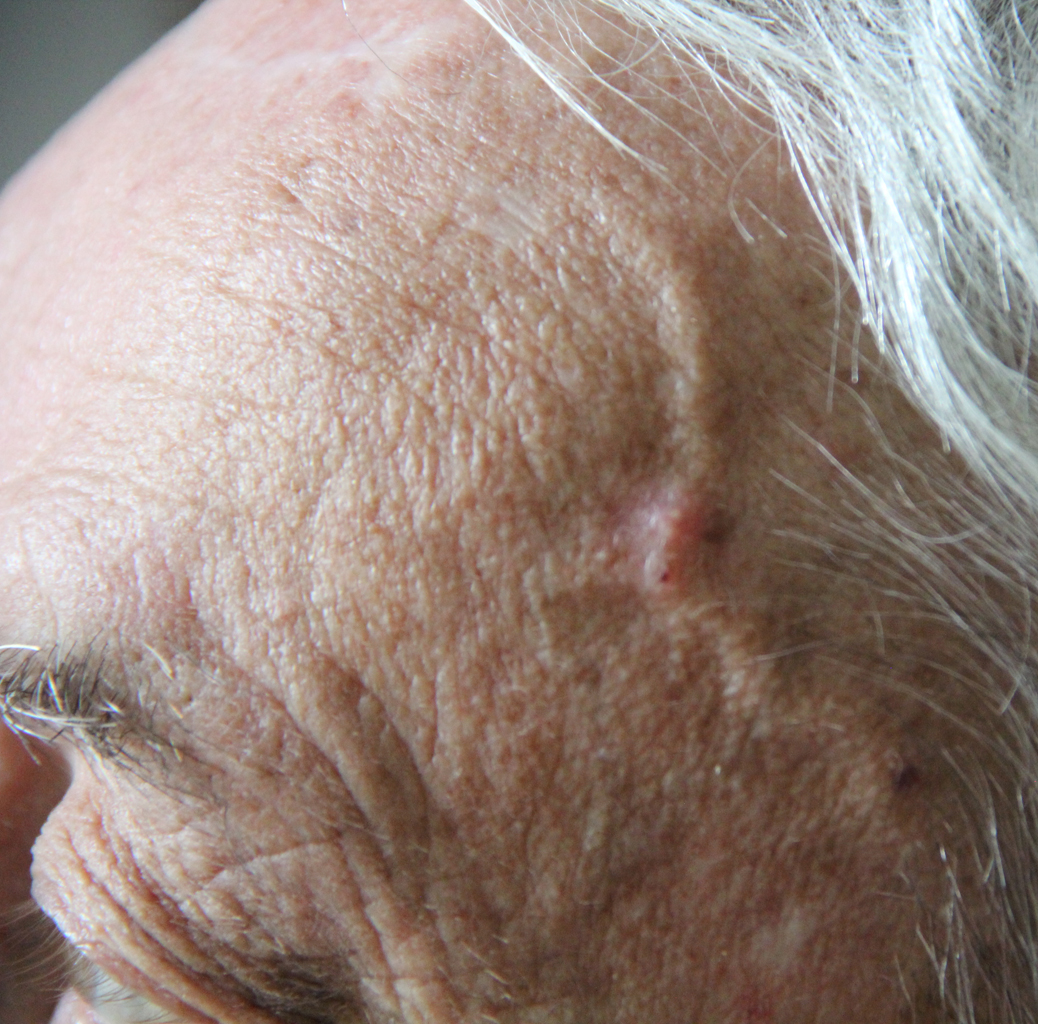
Giant Cell Arteritis — educational image

Image: Opzwartbeek · CC BY-SA 4.0 · Source

Clinically reviewed

This source-backed guide has completed independent clinical review.

Common signs and symptoms

Symptoms usually develop over weeks or months but can begin abruptly.

  • Headache, often severe and around the temples, with tenderness of the scalp.
  • Jaw pain, especially when chewing.
  • Double vision or vision loss in one or both eyes, which may come and go at first.
  • Flu-like symptoms such as fatigue, low-grade fever, loss of appetite, and weight loss; some people get arm or leg aching with activity.

Sources [1]

What may contribute

Inflammation of artery walls causes the disease, but its trigger is unknown.

  • It occurs almost only after age 50, typically in the late 60s and 70s.
  • Women are affected more often than men.
  • It is more common in people of Northern European ancestry.
  • About half of people with giant cell arteritis also have polymyalgia rheumatica.

Sources [1]

How it is evaluated

No single test confirms it, and evaluation is urgent when vision symptoms are present.

  • A clinician examines the arteries at your temples for swelling or tenderness.
  • ESR and CRP blood tests measure inflammation but are not specific to giant cell arteritis.
  • A temporal artery biopsy, done with local anesthetic, can show inflammation under the microscope.
  • Ultrasound, CT, MRI, or PET can show inflamed large vessels, and an ophthalmologist may be consulted for vision symptoms.

Sources [1], [2]

Treatment and ongoing care

Treatment aims to relieve symptoms and to prevent vision loss and other complications.

  • Higher doses of corticosteroids are a mainstay of treatment and are usually started promptly.
  • Most people respond within days to weeks; the dose is then lowered gradually and may continue for a year or longer.
  • Biologic or other disease-modifying medicines may be combined with corticosteroids.
  • Bone-protecting medicines may be prescribed because corticosteroids raise the risk of osteoporosis.

Sources [1], [2]

Day-to-day support

Ongoing care focuses on regular follow-up and limiting medication side effects.

  • Keep regular appointments so treatment can be adjusted as the dose is lowered.
  • Get enough calcium and vitamin D and stay active with weight-bearing exercise such as walking.
  • Eat a balanced diet and, if you smoke, make a plan with your doctor to quit.
  • Tell your care team about side effects such as mood changes, trouble sleeping, high blood sugar, or swelling.

Sources [1]

When to seek emergency help

Vision symptoms are an emergency.

  • Get emergency care for any vision loss or double vision, even if it goes away; untreated, it can cause permanent vision loss within hours or days.
  • Seek same-day care for a new severe headache with scalp tenderness or jaw pain when chewing, especially after age 50.
  • Call 911 for stroke-like symptoms such as face drooping, arm weakness, or trouble speaking.
  • Report fever or other signs of infection promptly while taking corticosteroids.

Sources [1]

Research basis

Sources and review status

Sources were checked on October 16, 2026. This guide is version 2026.10. This source-backed guide has completed independent clinical review.

  1. [1]
    Polymyalgia Rheumatica and Giant Cell Arteritis

    NIH National Institute of Arthritis and Musculoskeletal and Skin Diseases (2022)

Commonly involved specialists

These are the types of clinicians who are frequently involved in evaluating or supporting this condition.

RheumatologistOphthalmologistPrimary care clinicianVascular specialist

Factors to discuss with a qualified professional

Bringing organized notes on these topics can help make your appointment more focused.

  • When headaches or scalp tenderness began
  • Any jaw pain while chewing
  • Any episodes of blurred, double, or lost vision
  • Treatment side effects as doses change

Things you might track over time

A symptom journal can help you and your clinician review patterns together.

Headache
Vision changes
Jaw pain with chewing
Medication side effects

This information is educational and does not provide a diagnosis or treatment plan. Discuss your individual situation with a qualified healthcare professional.

Find specialists near you

Search our directory of US doctors for the specialists commonly involved in giant cell arteritis care, then add your state or city.

Open Find Care