Free to start · Not medical advice

Health Library
DigestiveCondition guide

Diverticulitis

Diverticula are small pouches that bulge outward through weak spots in the colon. Having them, called diverticulosis, is common with age and usually causes no symptoms. Diverticulitis is when one or more pouches become inflamed; it can come on suddenly and sometimes causes serious problems.

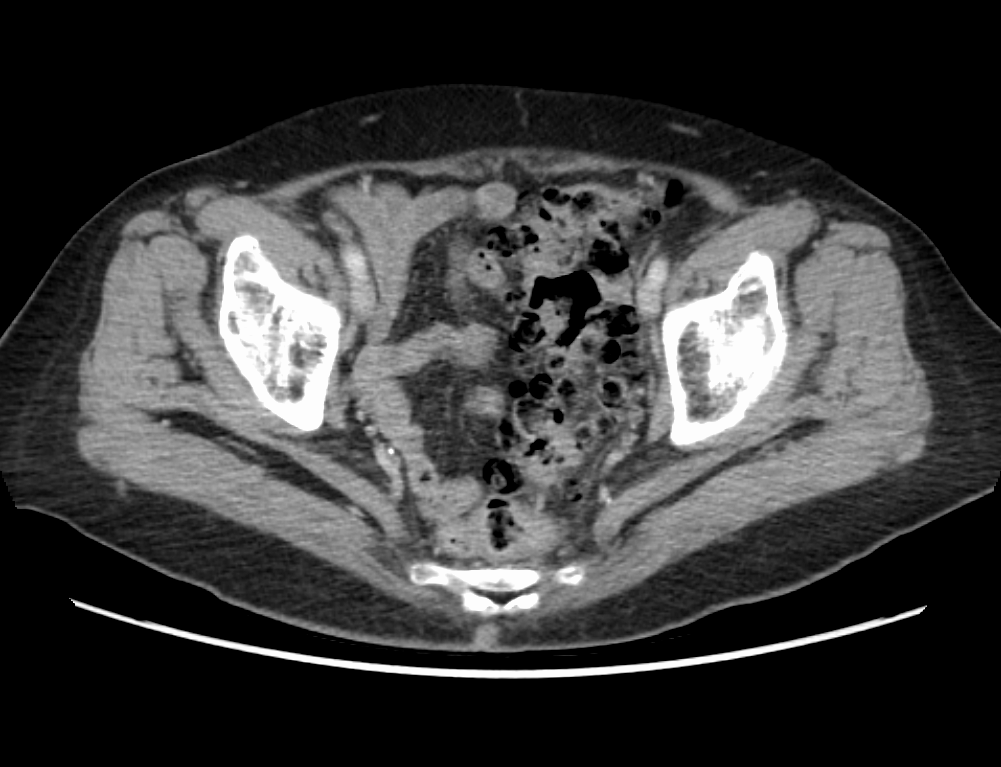
Diverticulitis — educational image

Image: James Heilman, MD · CC BY-SA 4.0 · Source

Clinically reviewed

This source-backed guide has completed independent clinical review.

Common signs and symptoms

Diverticulitis pain is usually severe and comes on suddenly.

  • Belly pain, most often in the lower left side.
  • Fever and chills, nausea, or vomiting.
  • Constipation or diarrhea.
  • Diverticulosis itself may cause long-term bloating, cramping, or lower belly pain.

Sources [1]

What may contribute

Experts are not sure what causes it, but several factors may play a role.

  • Certain genes may make some people more likely to develop it.
  • Diets low in fiber and high in red meat, lack of physical activity, obesity, and smoking.
  • Medicines such as NSAIDs and steroids.
  • Diverticulosis becomes more common with age, affecting more than two-thirds of adults over 80.

Sources [1]

How it is evaluated

Doctors review your history, examine you, and order tests.

  • A medical history and physical exam.
  • Blood and stool tests.
  • Imaging such as a CT scan, ultrasound, or MRI.
  • A colonoscopy may be recommended at a later time.

Sources [1], [2]

Treatment and ongoing care

Treatment depends on how severe the episode is.

  • Diverticulitis without complications may be treated at home; severe or complicated cases need hospital care.
  • Antibiotics, although not everyone with diverticulitis needs them.
  • A short clear liquid diet, then slowly adding solid foods as symptoms improve.
  • Acetaminophen or antispasmodics for pain instead of NSAIDs, and surgery for complications or, sometimes, repeated episodes.

Sources [1], [2]

Day-to-day support

Lifestyle changes may lower the chance of diverticulitis.

  • Eat a high-fiber diet with whole grains, fruits, and vegetables, and limit red meat.
  • Be physically active on a regular basis and work toward a healthy weight.
  • Don't smoke, or quit if you do.
  • Ask your doctor whether any of your medicines could raise your risk.

Sources [1], [2]

When to seek urgent help

Complications are treated in the hospital.

  • See a doctor right away for any bleeding from the rectum, even a small amount.
  • Seek urgent care for severe belly pain, especially with fever, chills, or vomiting.
  • Complications such as an abscess, a hole in the colon, a blockage, or peritonitis need hospital treatment.

Sources [1]

Research basis

Sources and review status

Sources were checked on October 16, 2026. This guide is version 2026.10. This source-backed guide has completed independent clinical review.

  1. [1]
    Diverticular Disease

    NIH National Institute of Diabetes and Digestive and Kidney Diseases (2021)

  2. [2]
    AGA Clinical Practice Update on Medical Management of Colonic Diverticulitis: Expert Review

    Gastroenterology (2021) · DOI 10.1053/j.gastro.2020.09.059 · PMID 33279517

Commonly involved specialists

These are the types of clinicians who are frequently involved in evaluating or supporting this condition.

GastroenterologistPrimary care clinicianColorectal surgeonRegistered dietitian

Factors to discuss with a qualified professional

Bringing organized notes on these topics can help make your appointment more focused.

  • Where the pain is and how suddenly it started
  • Any fever, chills, nausea, or changes in bowel habits
  • Previous episodes and how they were treated
  • Medicines you take, such as NSAIDs or steroids

Things you might track over time

A symptom journal can help you and your clinician review patterns together.

Abdominal pain
Fiber intake
Bowel habits
Fever

This information is educational and does not provide a diagnosis or treatment plan. Discuss your individual situation with a qualified healthcare professional.

Find specialists near you

Search our directory of US doctors for the specialists commonly involved in diverticulitis care, then add your state or city.

Open Find Care