Free to start · Not medical advice

Health Library
InflammatoryCondition guide

Calcium Pyrophosphate Deposition (Pseudogout)

In calcium pyrophosphate deposition (CPPD), crystals form in joint cartilage and trigger inflammation. It is more common in people over 60 and most often affects the knees. Attacks can be very painful, so prompt evaluation helps rule out other causes and start treatment.

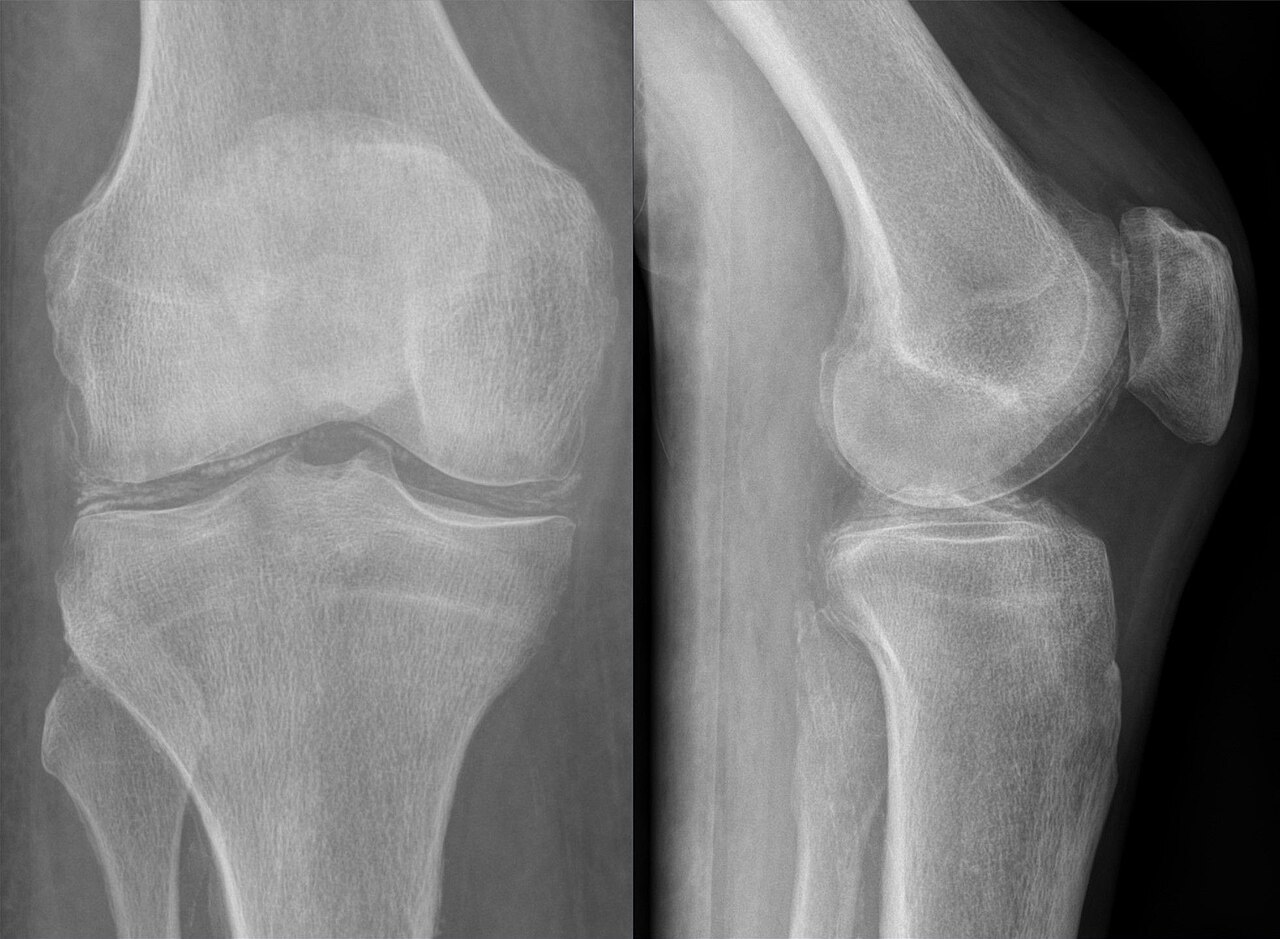
Calcium Pyrophosphate Deposition (Pseudogout) — educational image

Image: Hellerhoff · CC BY-SA 4.0 · Source

Clinically reviewed

This source-backed guide has completed independent clinical review.

Common signs and symptoms

Attacks cause sudden joint inflammation and typically last 7 to 14 days.

  • Severe joint pain, warmth, and swelling.
  • The knees are most commonly affected, but other joints can be involved.
  • Without treatment, painful attacks can come back and joint inflammation can become long-lasting.
  • Over time, cartilage damage can cause ongoing pain and disability.

Sources [1]

What may contribute

Calcium pyrophosphate crystals settle in cartilage; why they form is not fully known.

  • CPPD is more common in people over 60 but can occur earlier.
  • Risk is higher with conditions such as hemochromatosis, low magnesium levels, and parathyroid gland problems.
  • Some rare inherited kidney, calcium, and bone conditions also raise risk.
  • The crystals are often found in the joints of people with osteoarthritis or gout.

Sources [1]

How it is evaluated

A rheumatology professional diagnoses CPPD based on symptoms and tests.

  • Fluid may be drawn from the joint and examined for calcium pyrophosphate crystals.
  • X-rays and musculoskeletal ultrasound are the imaging tests most often used to see the crystals.
  • MRI appears to be less sensitive, and dual-energy CT is being studied.

Sources [1], [2]

Treatment and ongoing care

No treatment dissolves the crystals; care focuses on calming attacks and preventing new ones.

  • During an attack, fluid may be drained from the joint and a corticosteroid injected.
  • NSAIDs, oral corticosteroids, colchicine, or an interleukin-1 blocker may be used for relief.
  • For frequent attacks, preventive treatment such as low-dose colchicine or an NSAID may be considered with your rheumatology team.

Sources [1], [2]

Day-to-day support

Early care and rehabilitation support joint function.

  • See a rheumatology professional as soon as symptoms appear so other causes can be ruled out.
  • Physical and occupational therapists can help improve flexibility, ease joint pain, and adapt movements.
  • Keep a record of each attack, the joints involved, and how long it lasted.

Sources [1]

When to seek prompt help

A newly hot, swollen joint should be checked promptly.

  • Seek prompt care for a newly hot, painful, swollen joint so other causes can be ruled out.
  • Contact your care team if attacks keep coming back, since repeated inflammation can damage cartilage.

Sources [1]

Research basis

Sources and review status

Sources were checked on October 16, 2026. This guide is version 2026.10. This source-backed guide has completed independent clinical review.

  1. [1]
    Calcium Pyrophosphate Deposition (CPPD)

    American College of Rheumatology (2025)

  2. [2]
    EULAR recommendations for calcium pyrophosphate deposition. Part II: management

    Annals of the Rheumatic Diseases (2011) · DOI 10.1136/ard.2010.139360 · PMID 21257614

Commonly involved specialists

These are the types of clinicians who are frequently involved in evaluating or supporting this condition.

RheumatologistPrimary care clinicianPhysical therapistOccupational therapist

Factors to discuss with a qualified professional

Bringing organized notes on these topics can help make your appointment more focused.

  • Which joints were affected and how long each attack lasted
  • Whether joint fluid has ever been tested for crystals
  • Other conditions you have, such as osteoarthritis, gout, or parathyroid problems
  • Treatments that helped during past attacks

Things you might track over time

A symptom journal can help you and your clinician review patterns together.

Attack frequency
Affected joints
Attack duration
Response to treatment

This information is educational and does not provide a diagnosis or treatment plan. Discuss your individual situation with a qualified healthcare professional.

Find specialists near you

Search our directory of US doctors for the specialists commonly involved in calcium pyrophosphate deposition (pseudogout) care, then add your state or city.

Open Find Care